
Biomaterials and 3D printing are becoming more relevant in bioprocessing because they allow faster design iteration, more flexible component development and more specific adaptation to how a process really behaves.
In practice, this is not only about making a part faster. It is about making a better part for the process, whether that means improving mixing, adapting geometry, reducing dead zones or creating a component that fits a very specific operating need.
In bioprocessing, 3D printing and biomaterials create value when they improve the function of process components, support biocompatibility and make it easier to develop or adapt accessories that match real biological and mechanical requirements.
Why 3D printing matters in bioprocessing
3D printing matters in bioprocessing because it makes it easier to create components with shapes, tolerances and design variations that would be slower or less practical to test using conventional routes. That becomes especially useful when the part directly affects process performance.
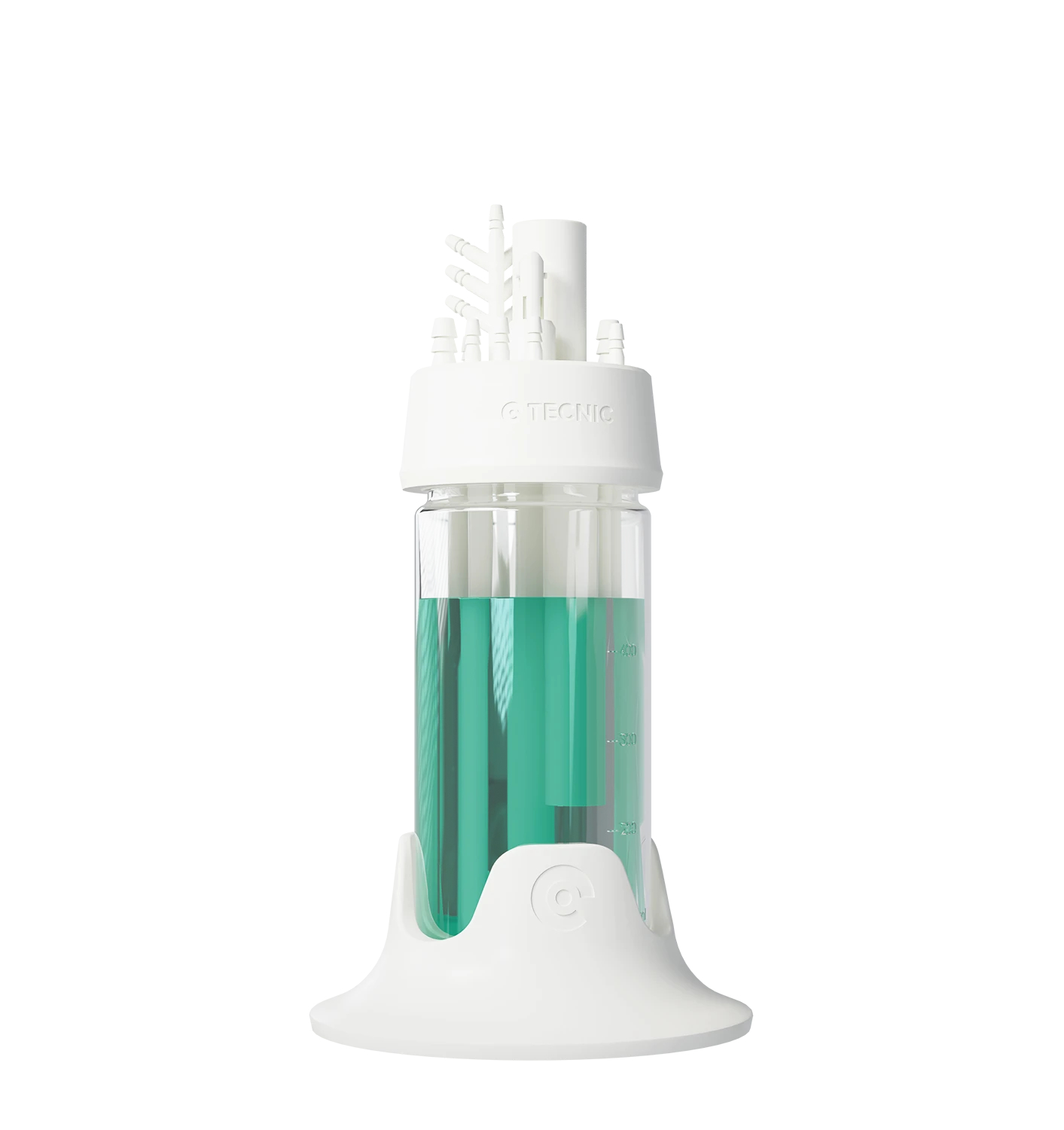
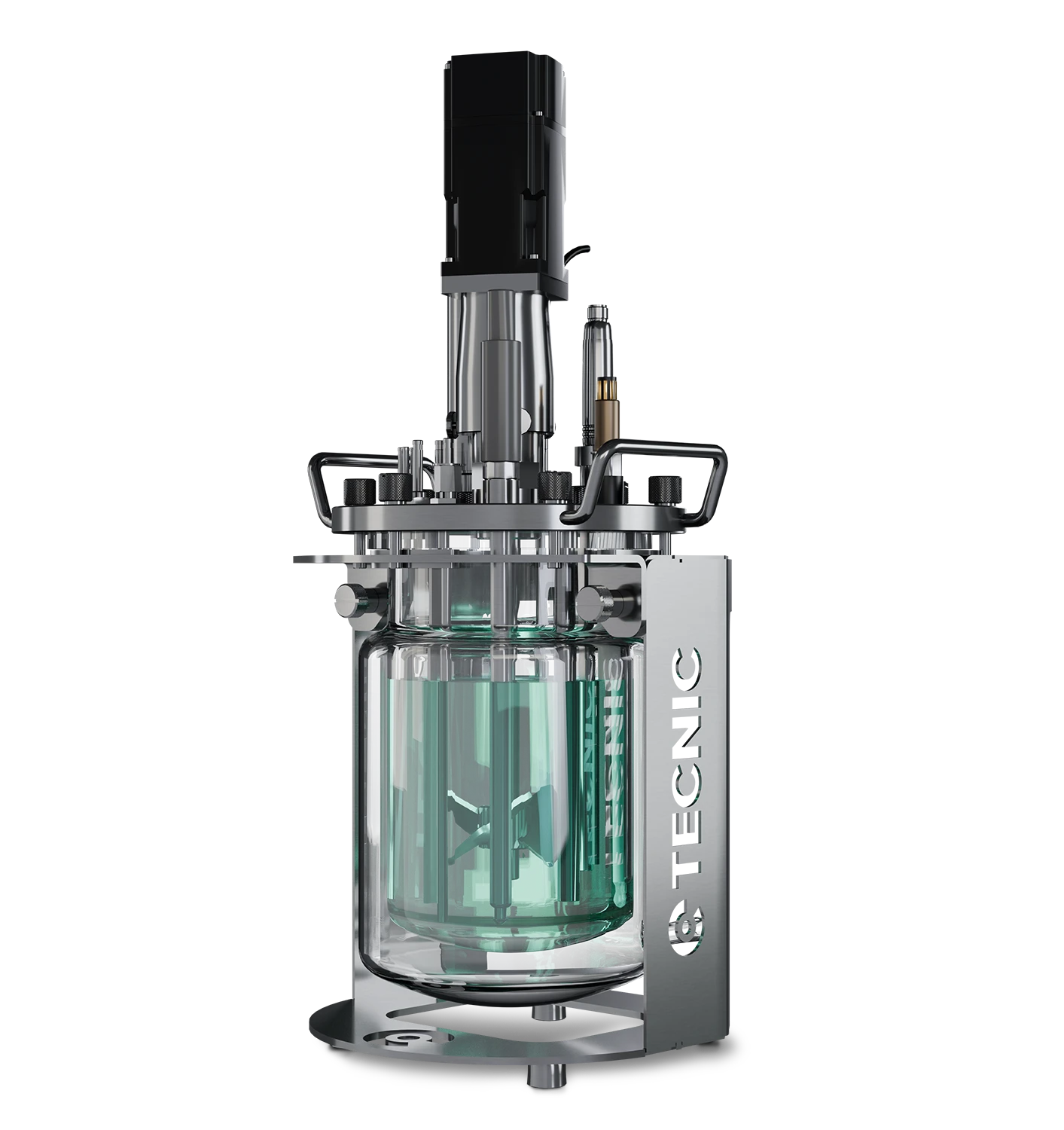
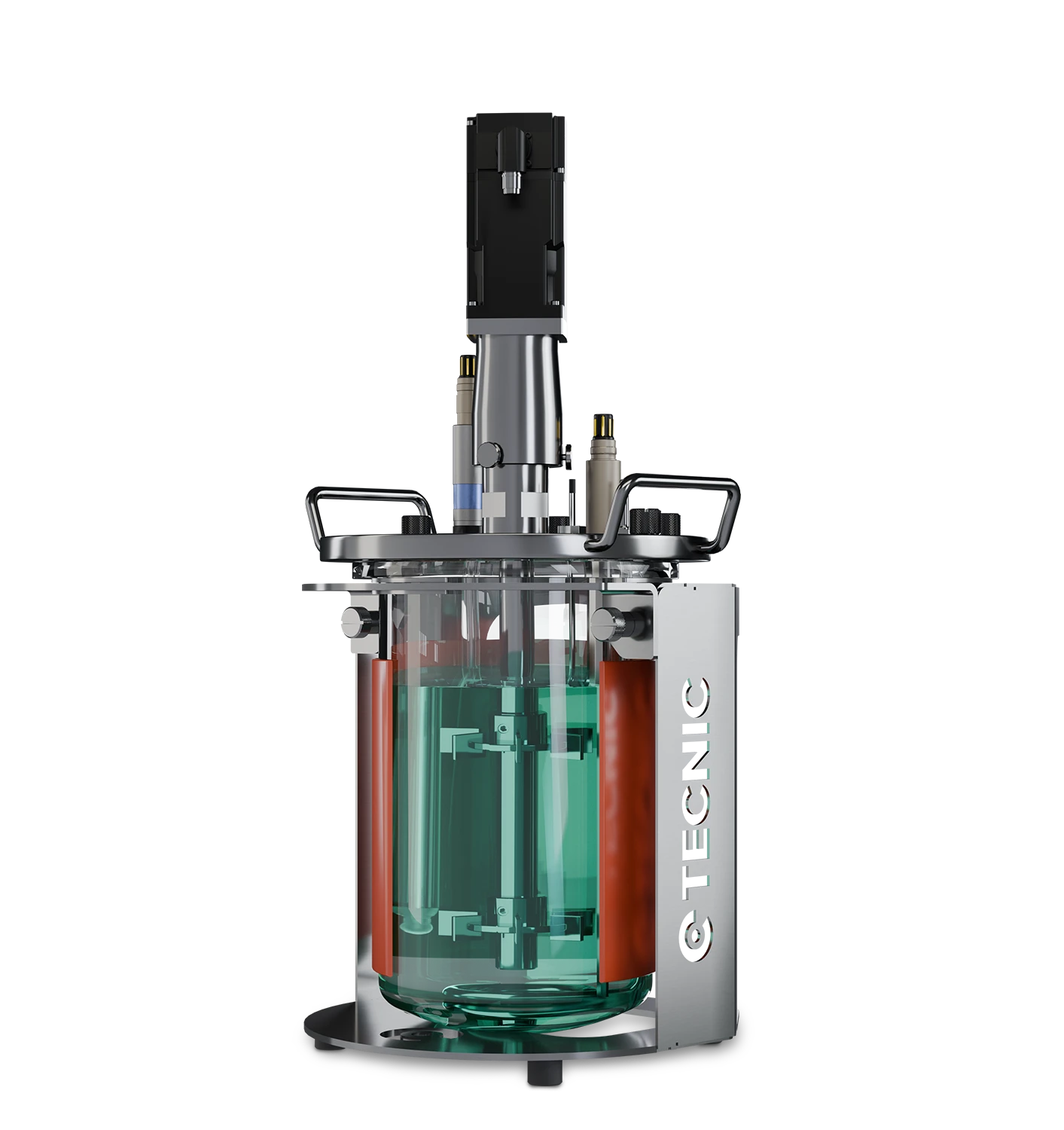
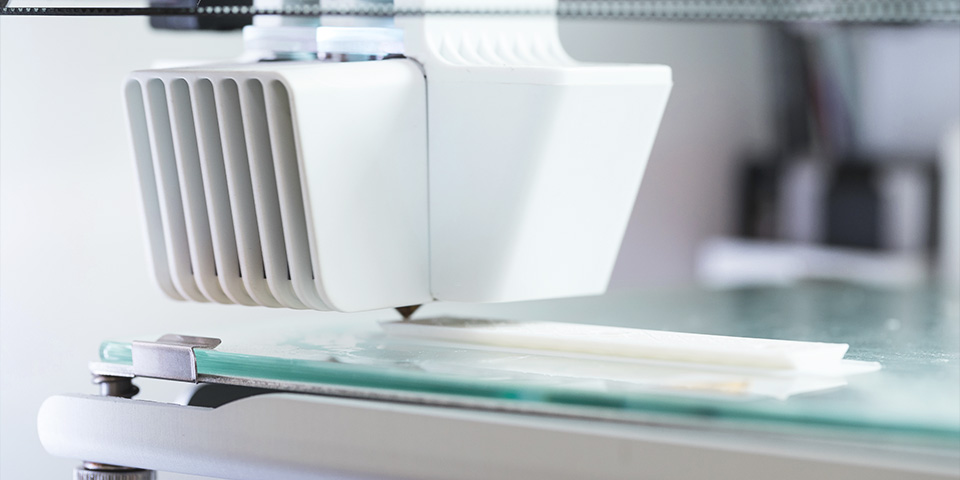
In the current TECNIC article, 3D printing is linked to the development of bioreactor accessories such as rotors and magnetic stirring bars, with a clear focus on customisation, faster production and the creation of complex geometries that can improve mixing efficiency and reduce dead zones.
The value of 3D printing in biotech is not speed alone. It is design freedom linked to process function.
Where biomaterials create value
Biomaterials matter because the performance of a bioprocess component is not only mechanical. It also depends on how that material interacts with cells, fluids and the operating environment. In some cases the priority is biocompatibility, in others it is chemical resistance, flexibility, selective permeability or the ability to support a specific biological response.
The article connects biomaterials with cell growth, proliferation and the production of biomolecules, while also highlighting properties such as strength, flexibility and selective permeability.
Important when the material interacts directly with cells or biologically sensitive fluids.
Shapes how the part performs under agitation, repeated use or process-specific stress.
Allows the component to do more than occupy space, it can actively improve the process.
What changes in practice when biomaterials and 3D printing are used well
The strongest change is that process teams can move from generic components toward parts designed around the real operating need. That can improve mixing behaviour, support faster prototyping and make it easier to test multiple design options before locking the final solution.
Examples highlighted in the article
- Tissue engineering scaffolds that support cell growth and differentiation.
- Three-dimensional matrices that mimic a more physiological environment.
- Surface coatings that improve adhesion and reduce biofouling.
- Controlled drug release systems for more regulated interaction with the culture.
This is useful because it shifts development from a one-size-fits-all mindset toward more process-specific engineering.
3D printing vs conventional components
The comparison is not simply about choosing one manufacturing route over the other. The more useful question is where 3D printing adds value and where conventional production still makes more sense.
3D printing
More useful when geometry needs to be customised, iteration must be fast, or the design is complex enough that standard parts do not solve the real process problem.
Conventional production
More useful when the design is already stable, repeat production is the priority and the component does not benefit significantly from geometry customisation.
The real advantage appears when 3D printing is used to improve process performance, not only to replace a traditional manufacturing step.
What teams should evaluate before using 3D printed bioprocess components
A useful technical review should look beyond whether the part can be printed. The important question is whether the material and design fit the process.
How TECNIC applies biomaterials and 3D printing
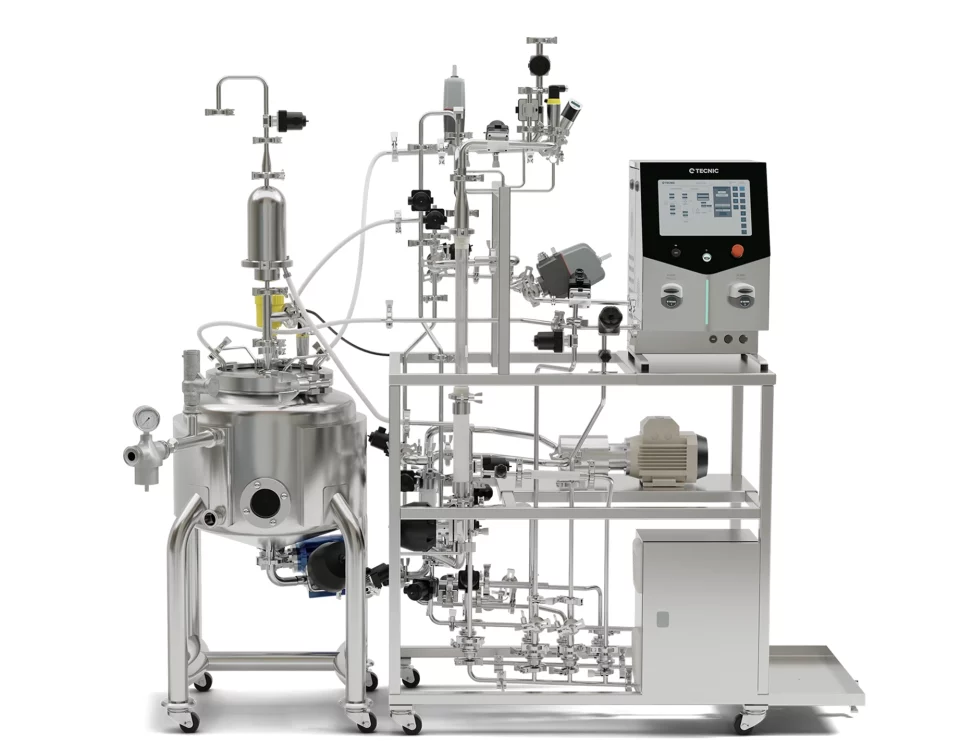
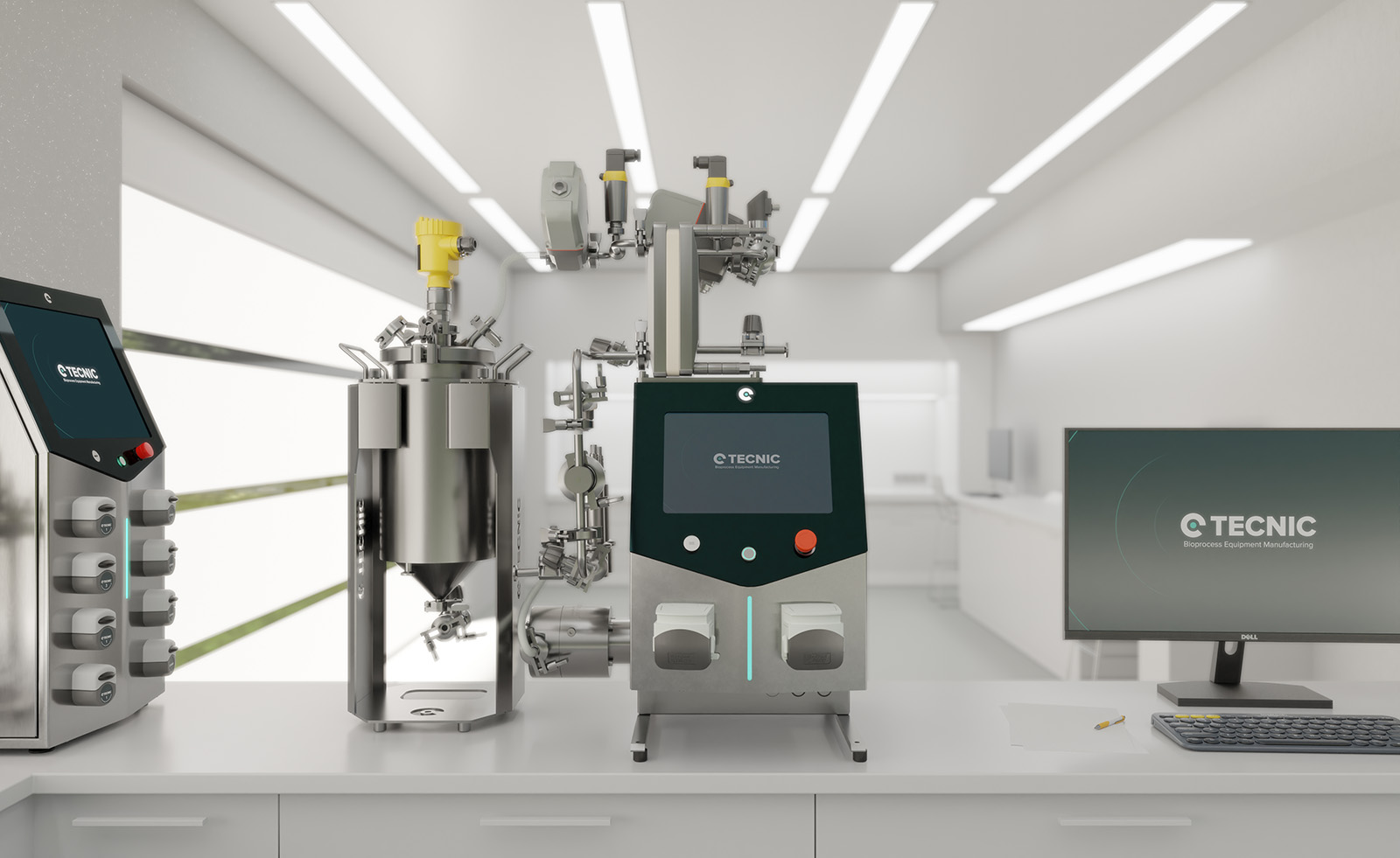
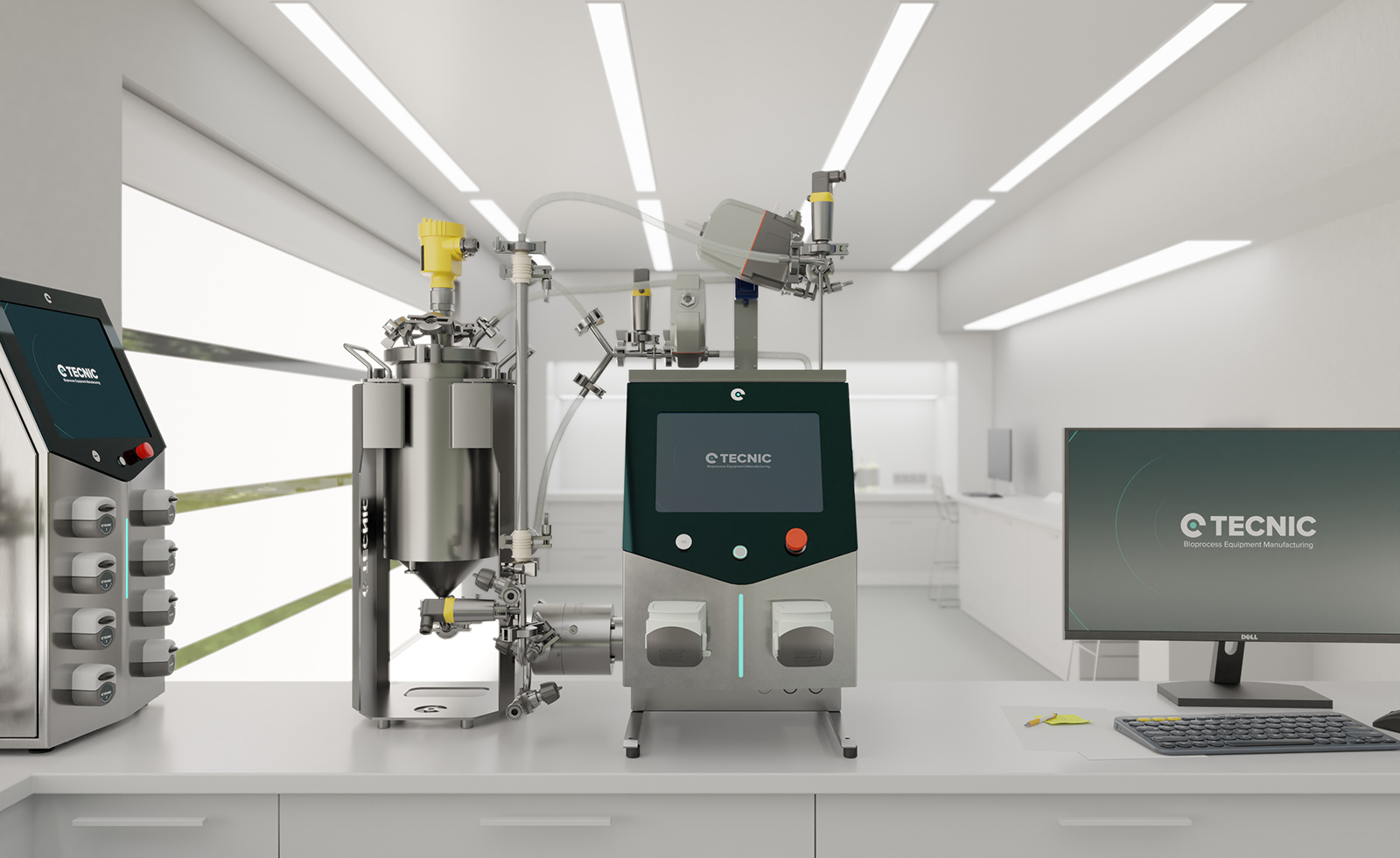
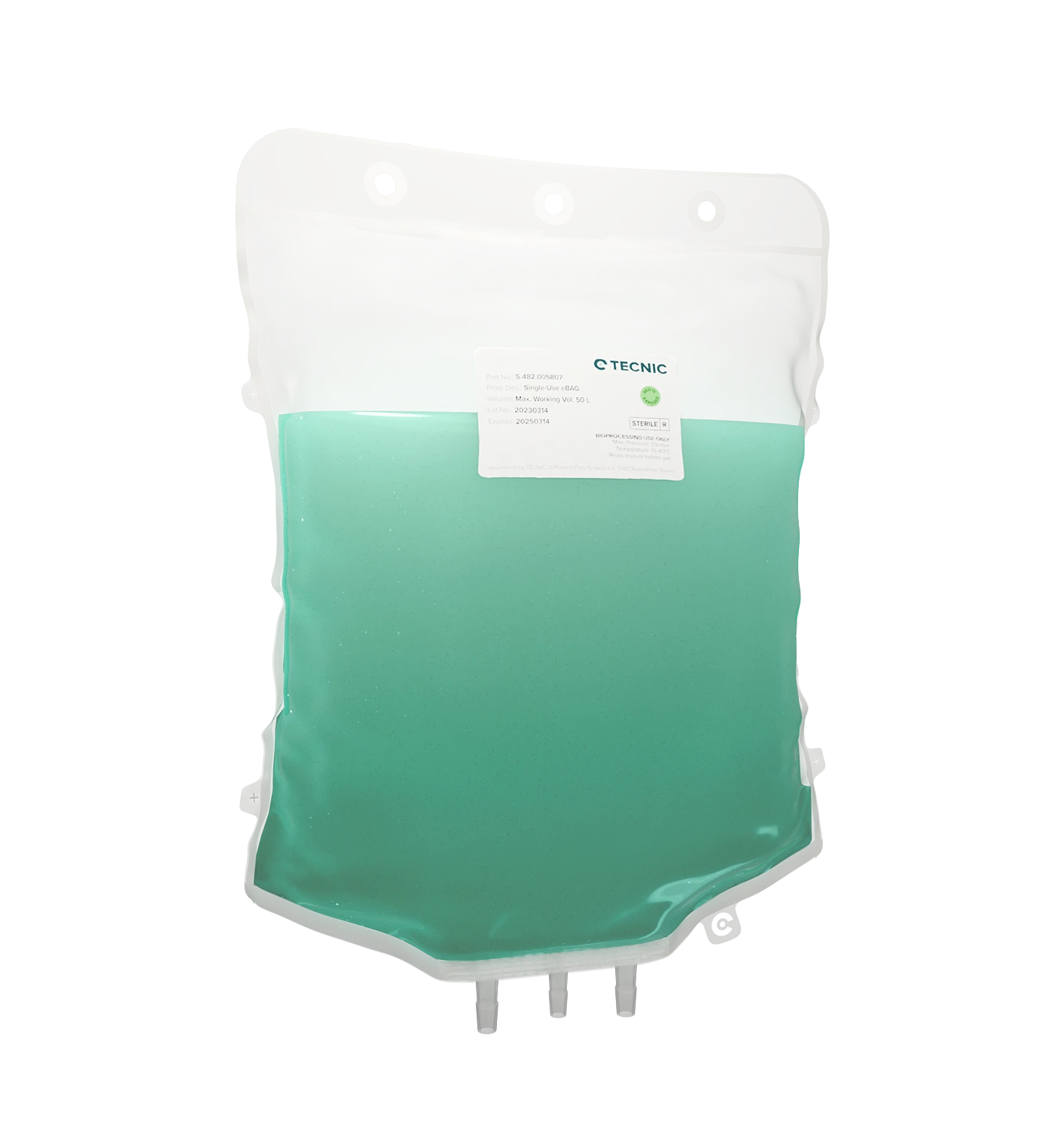
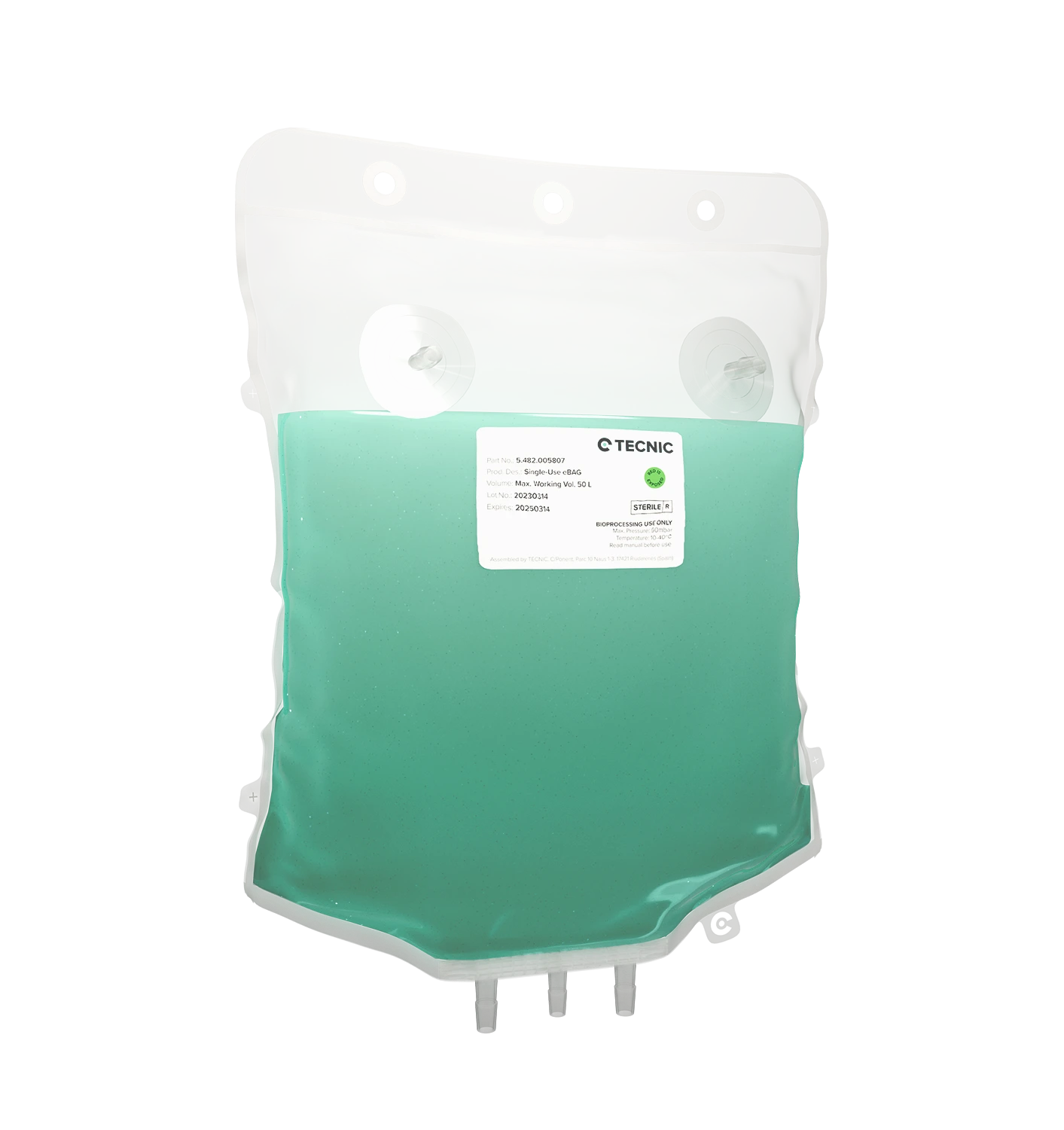
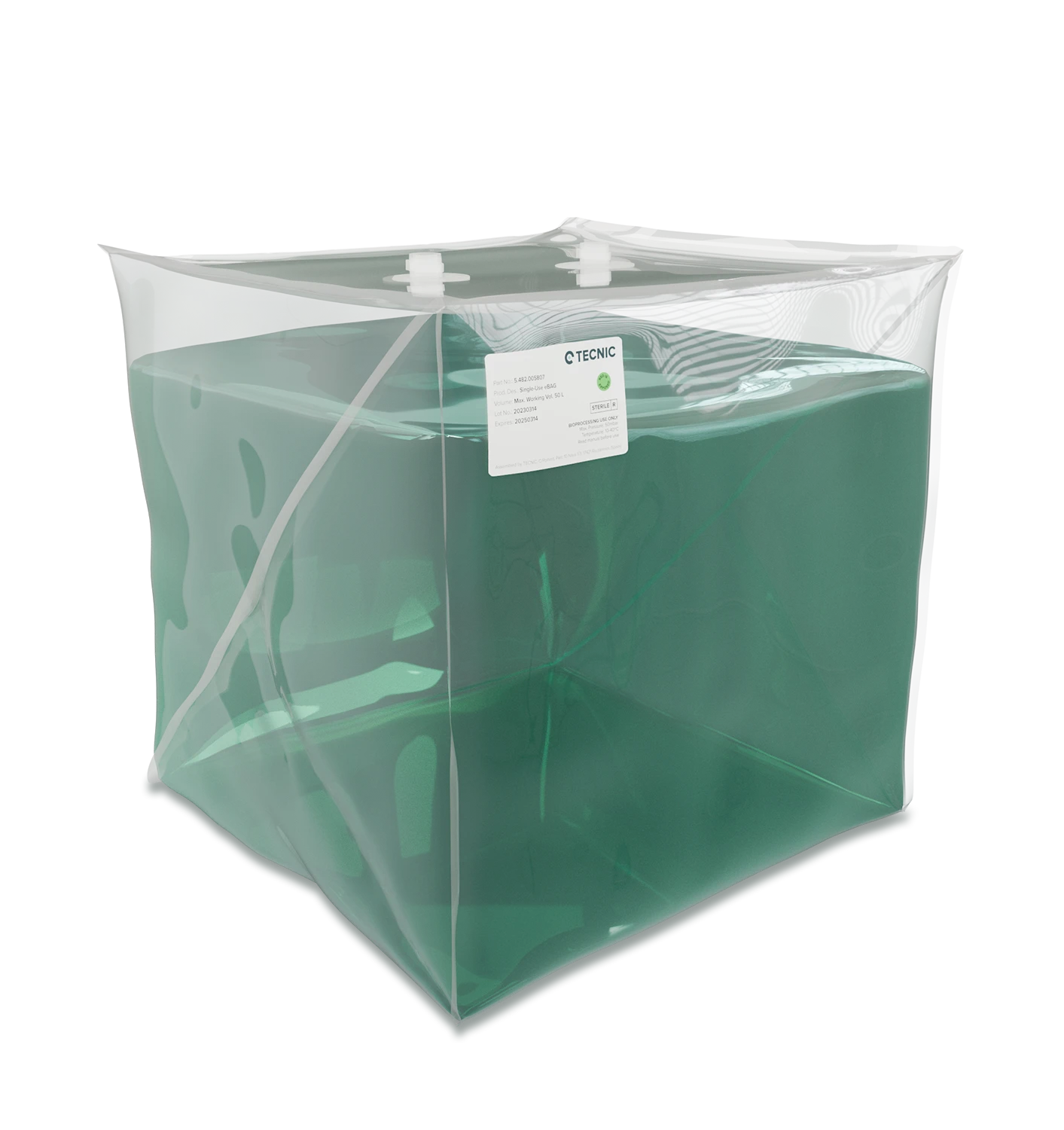
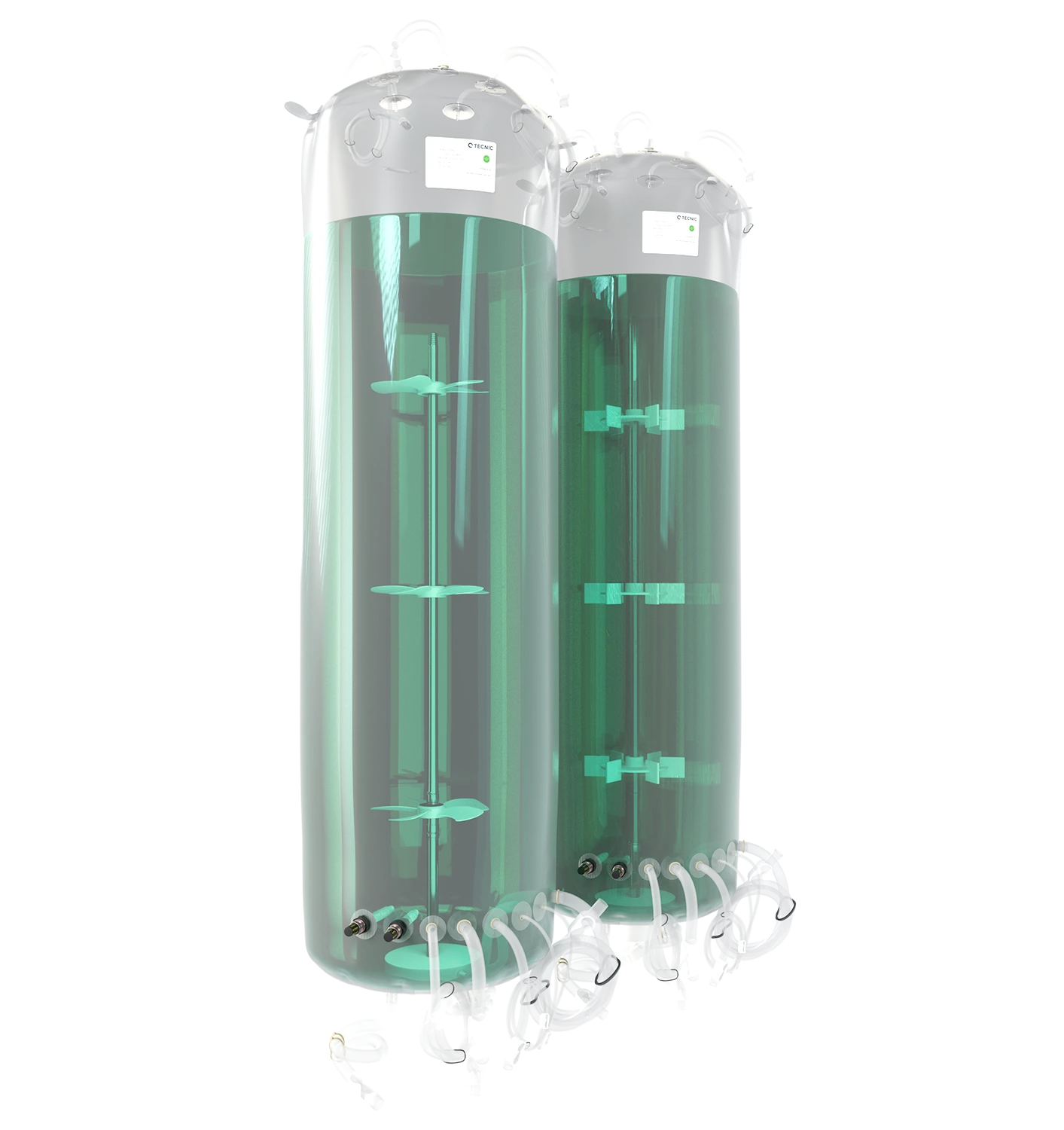
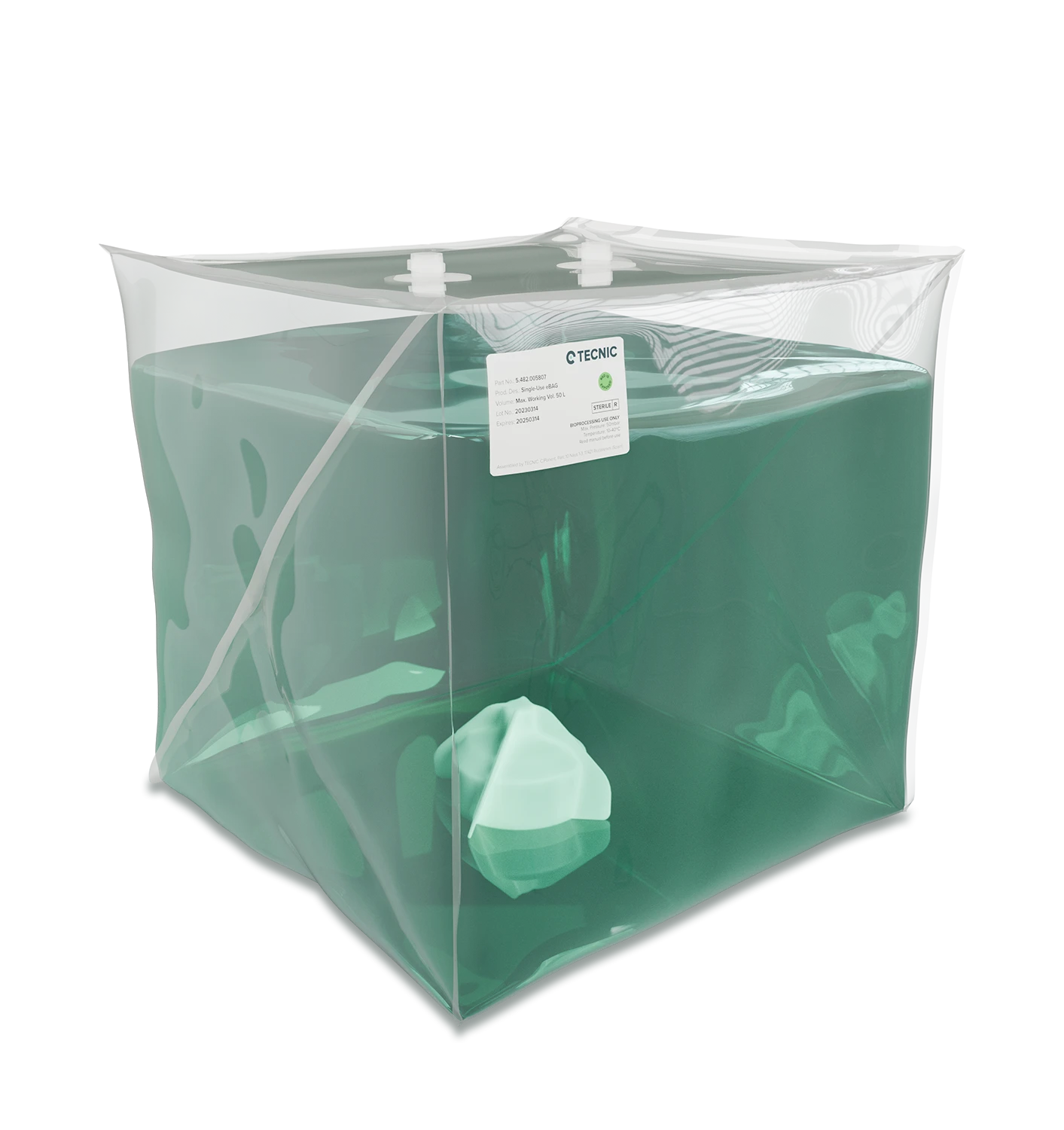
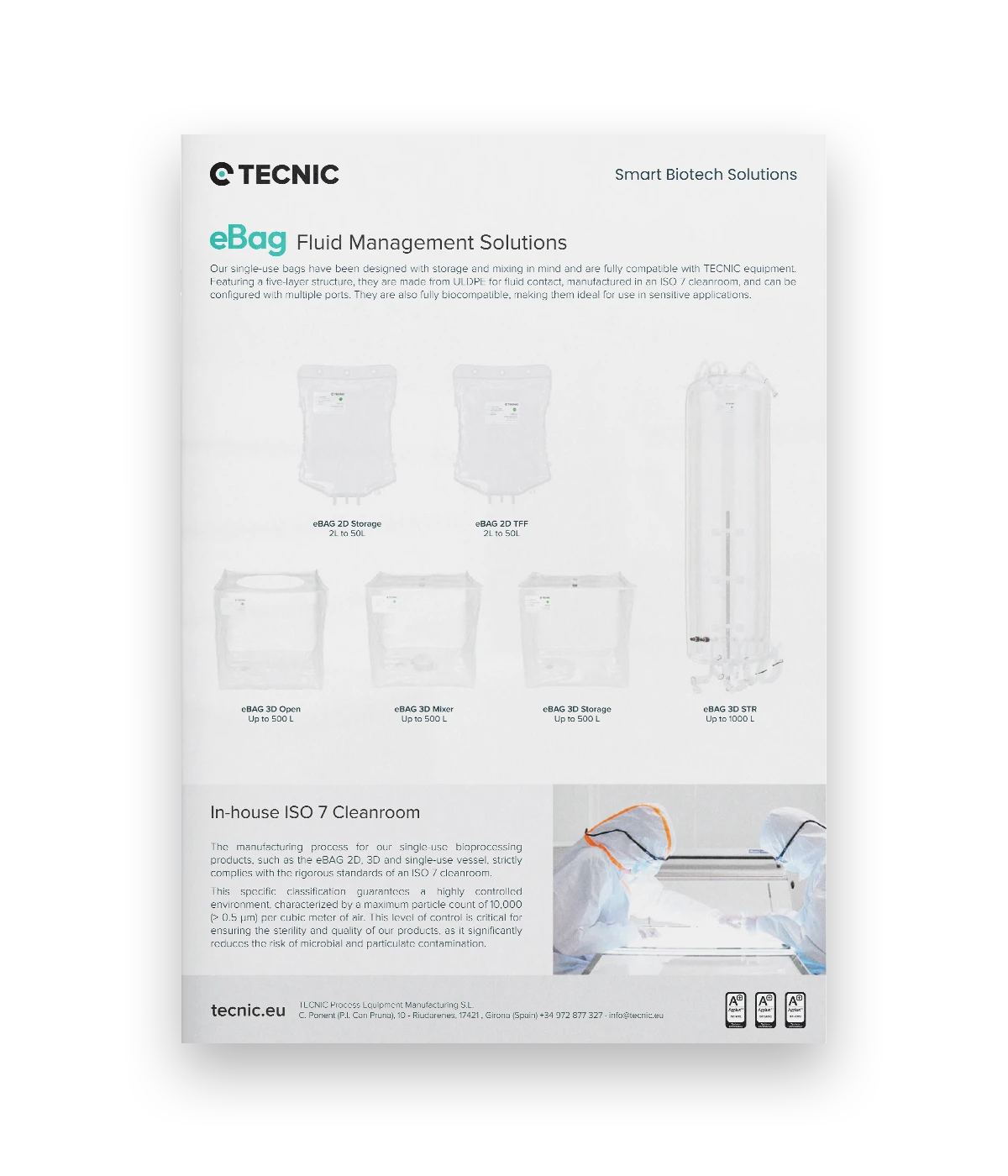
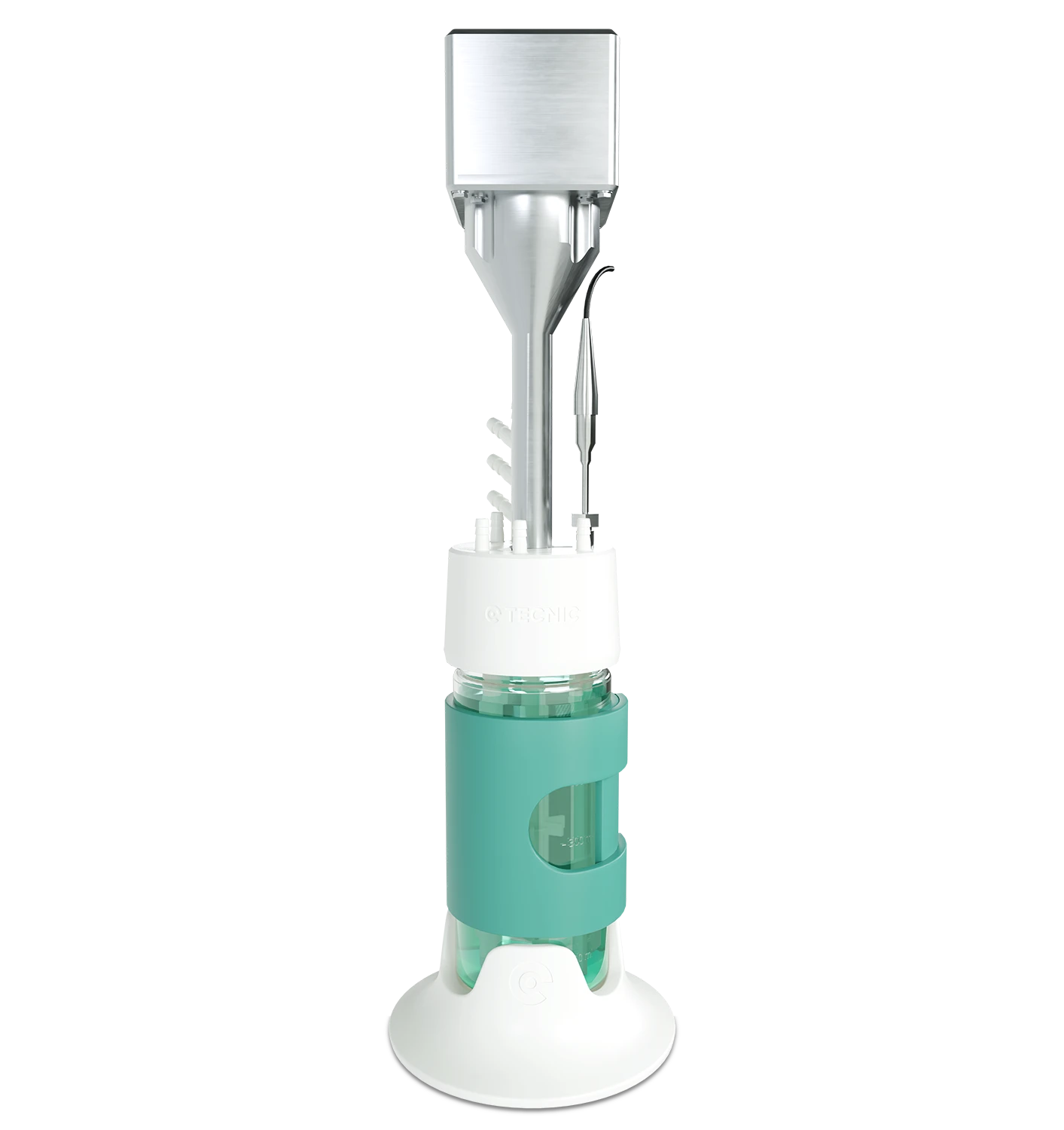
The current TECNIC article is very clear on the practical application: the company uses this technology in the creation of magnetic agitation systems integrated into its eBAG 3D Tank. That positions 3D printing not as a generic innovation claim, but as a tool used to improve mixing, optimise system efficiency and support customisation.
eBAG 3D Tank / 3D Mixer logic
The article directly links TECNIC’s use of 3D printing to magnetic agitation systems integrated into the eBAG 3D Tank, which makes this the clearest product bridge in the portfolio.
Single-use mixing workflows
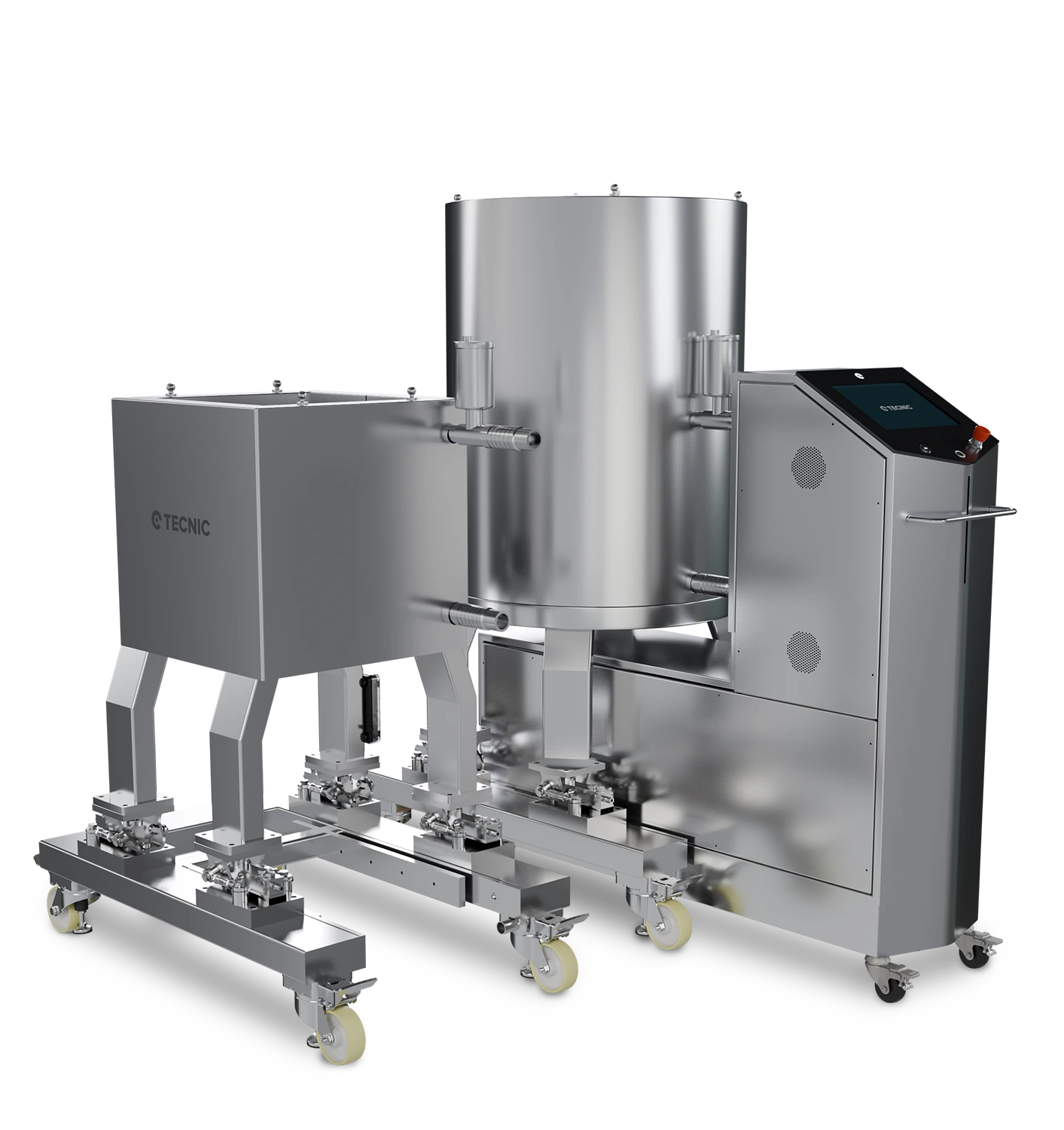
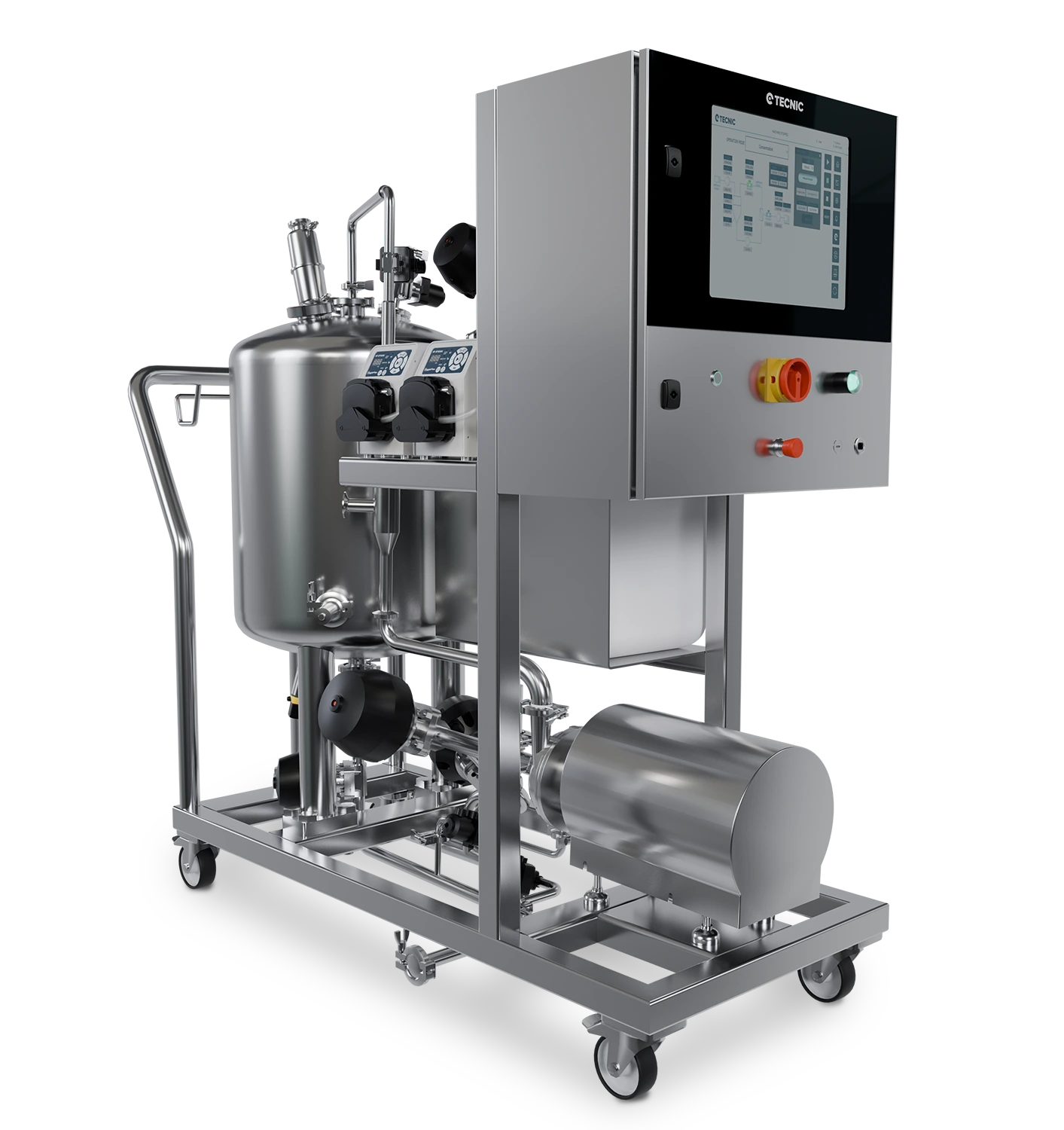
Since the innovation is tied to agitation and mixing performance, it also connects naturally with single-use mixing and preparation workflows across the TECNIC range.
Bioreactor accessories and process improvement
The article frames 3D printing as a route to improved bioreactor accessories, which makes it relevant for readers exploring not just products, but engineering logic around process optimisation.
Contact for custom process needs
Because the value of 3D printing is strongly tied to customisation, the contact route is a natural next step for readers assessing a specific project need.
This section is intentionally practical. It keeps the article useful as an innovation piece while still guiding the reader toward real TECNIC applications.
Frequently asked questions
Why is 3D printing useful in bioprocessing?
Because it allows faster iteration, custom geometries and more specific adaptation of components that influence process performance.
Do biomaterials only matter in tissue engineering?
No. They also matter in bioreactor components, cell-contact surfaces, coatings and any context where the material affects biological or process behaviour.
What kind of components benefit most from 3D printing?
Components that need custom shapes, mixing optimisation, fast prototyping or geometry changes tied to a specific process challenge.
Is 3D printing always better than conventional manufacturing?
No. It is most valuable when the design freedom improves the process. For stable, standardised parts, conventional production may still be the better route.
How does TECNIC apply this technology?
TECNIC links it directly to the creation of magnetic agitation systems integrated into its eBAG 3D Tank, with the aim of improving mixing and customisation.
Looking for smarter component design in bioprocessing?
Explore TECNIC’s mixing and single-use solutions or speak with our team to review how process-oriented design can support your workflow.