
A good lab bioreactor should not force the team to choose between simplicity and control. The strongest systems are the ones that make daily work easier while still giving enough process visibility for real development work.
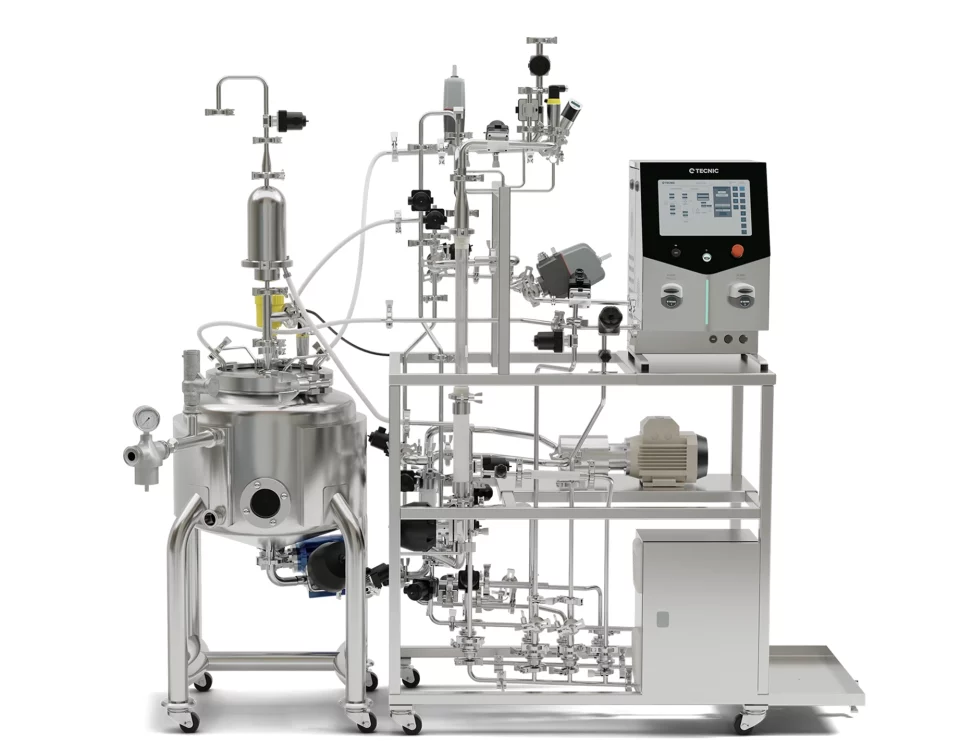
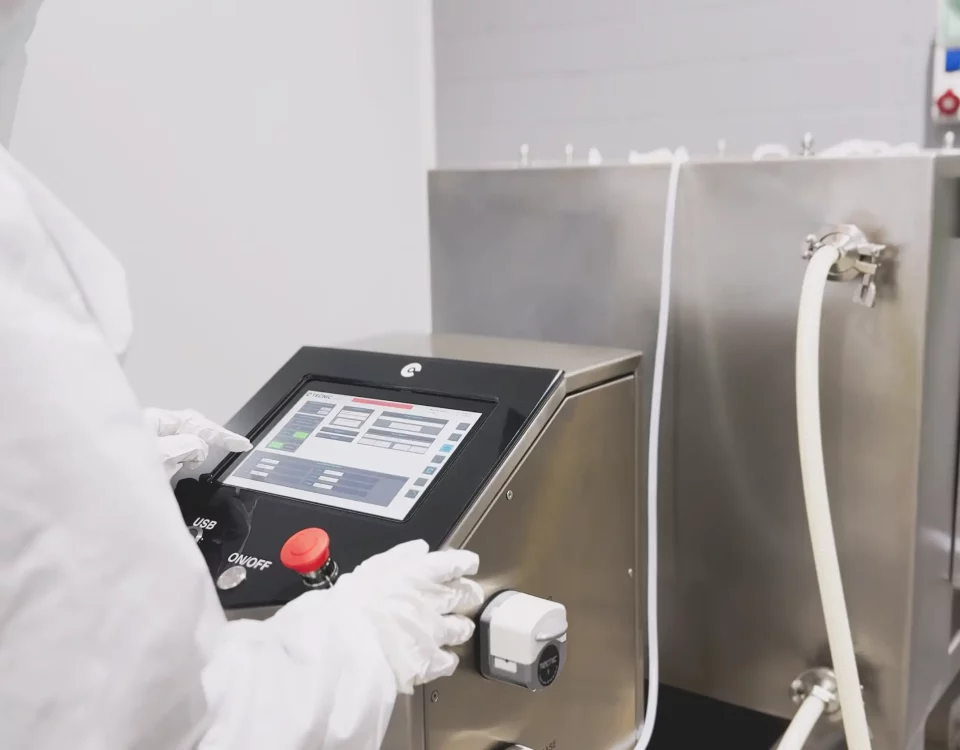
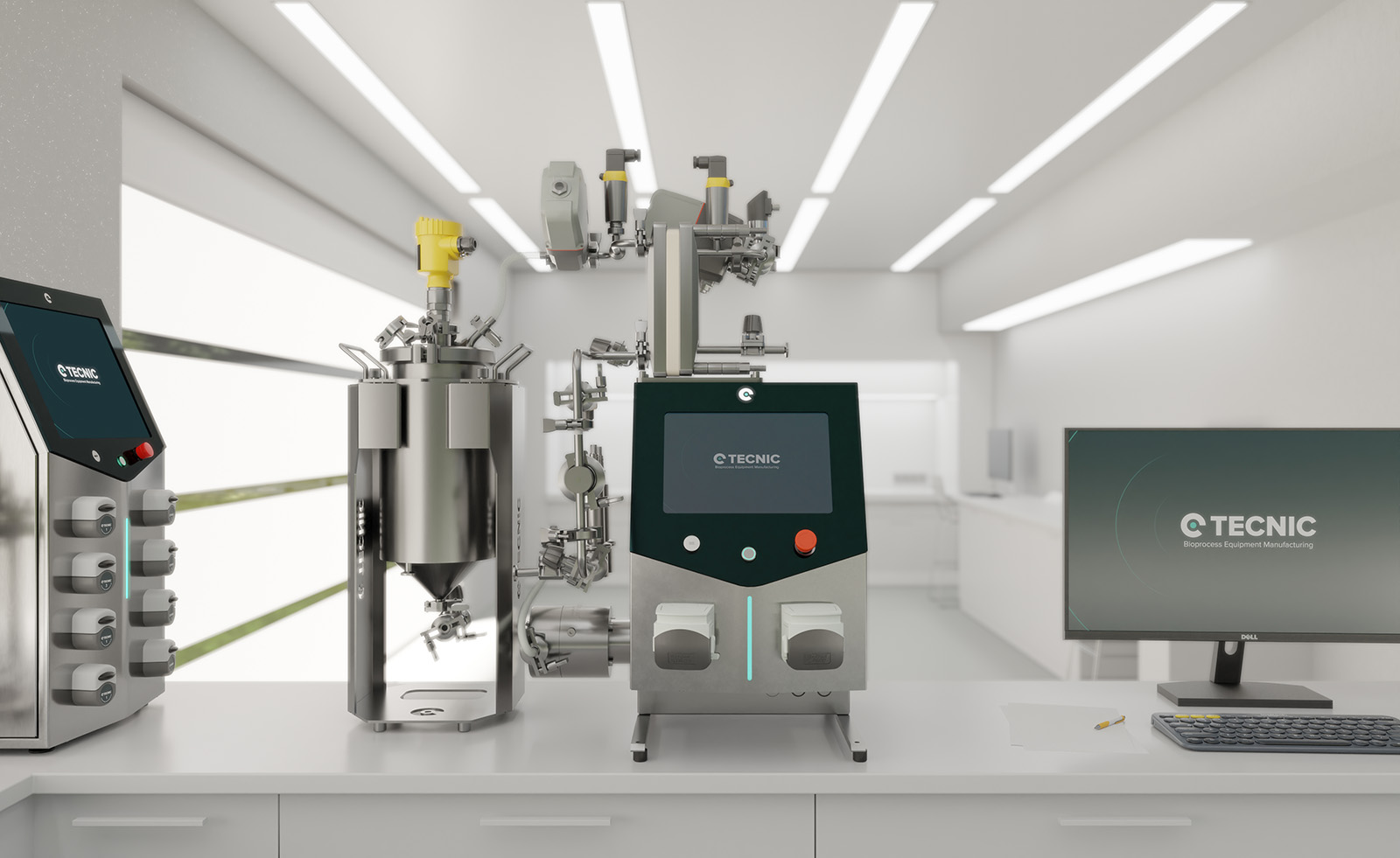
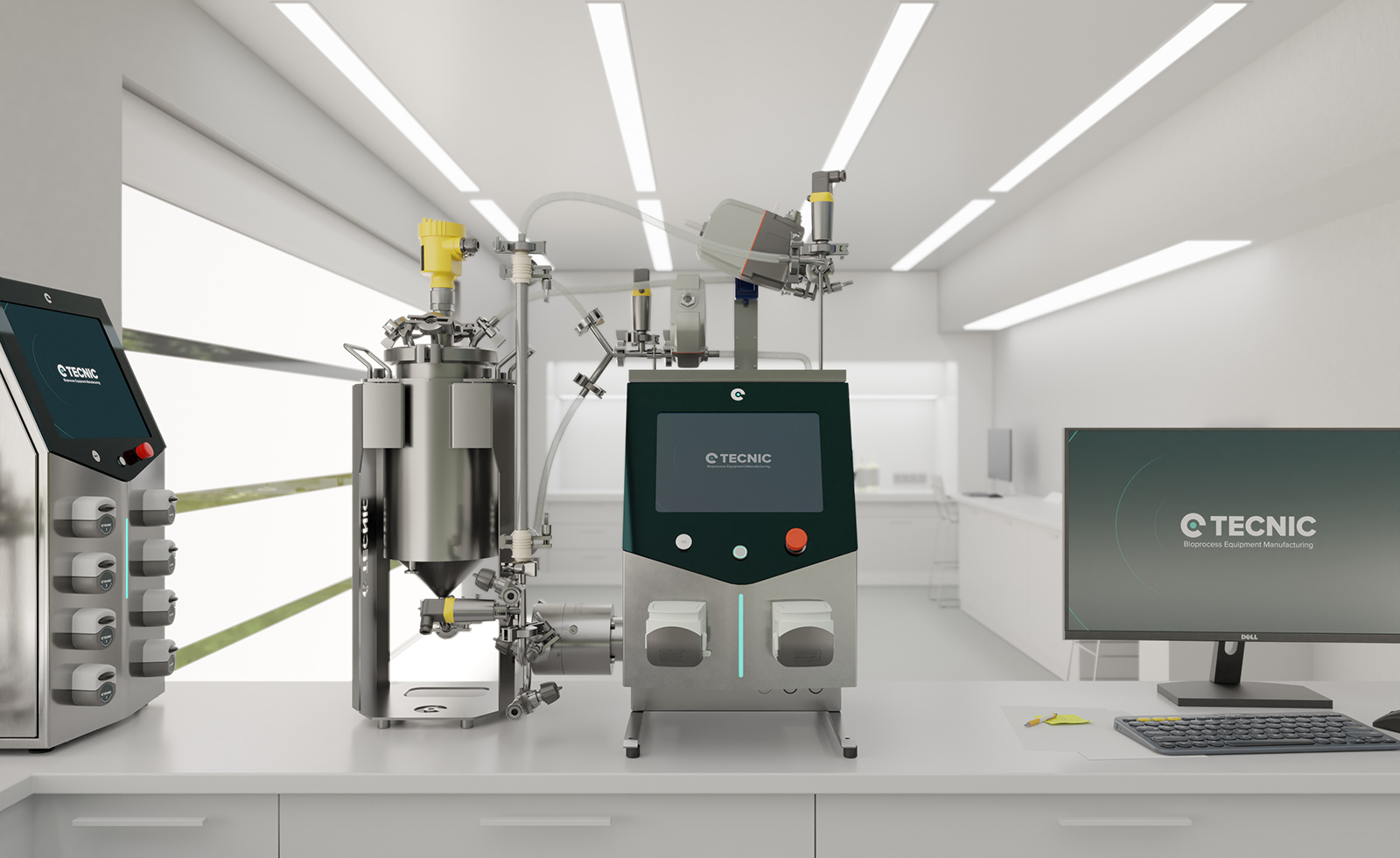
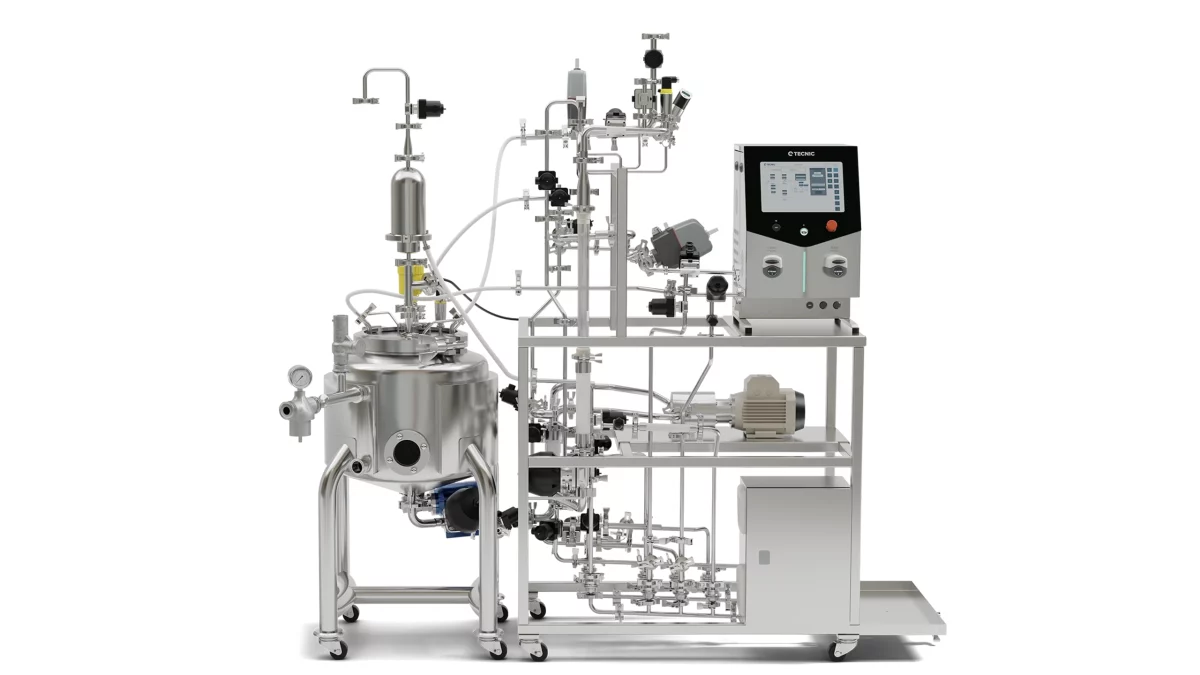
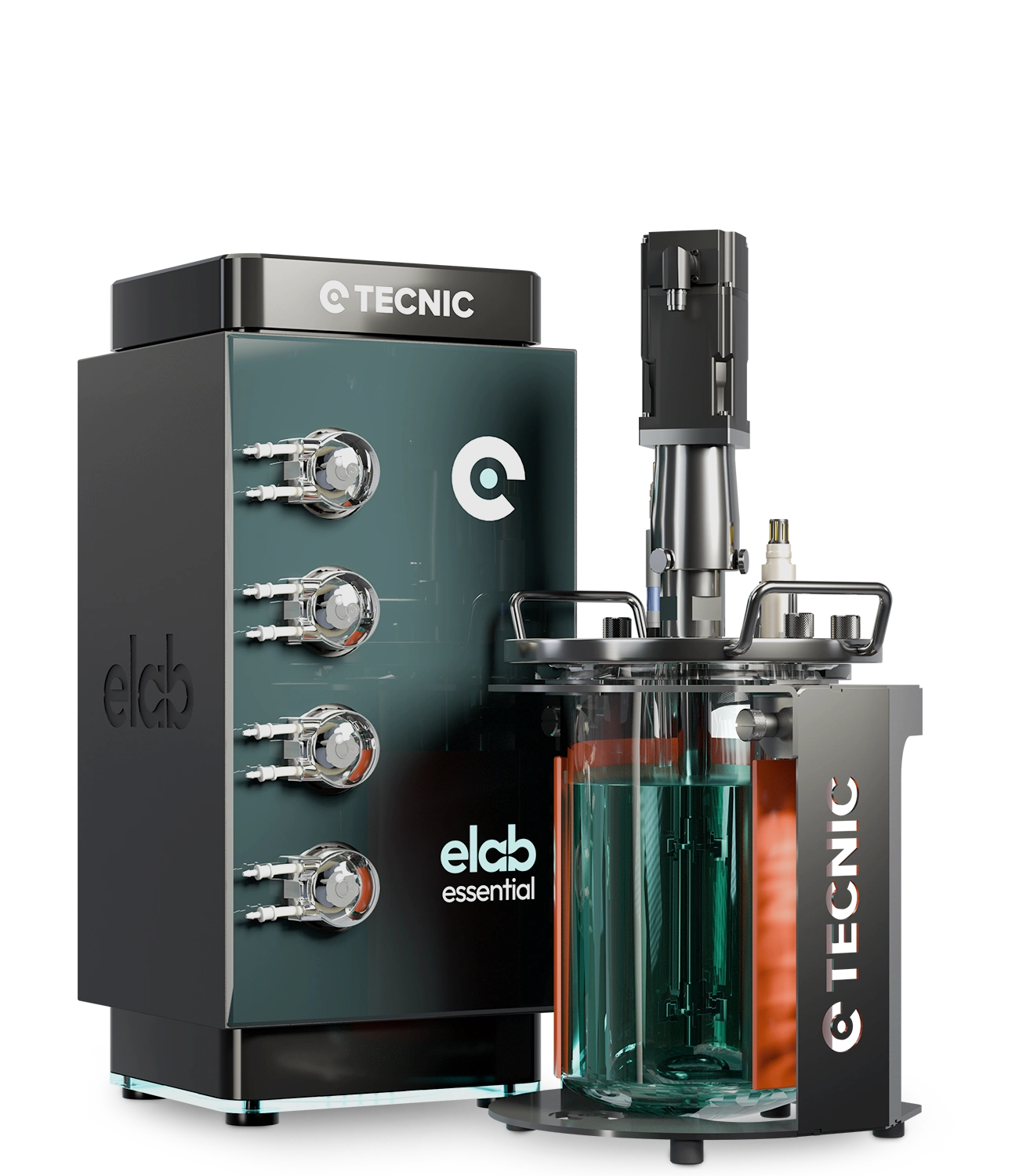
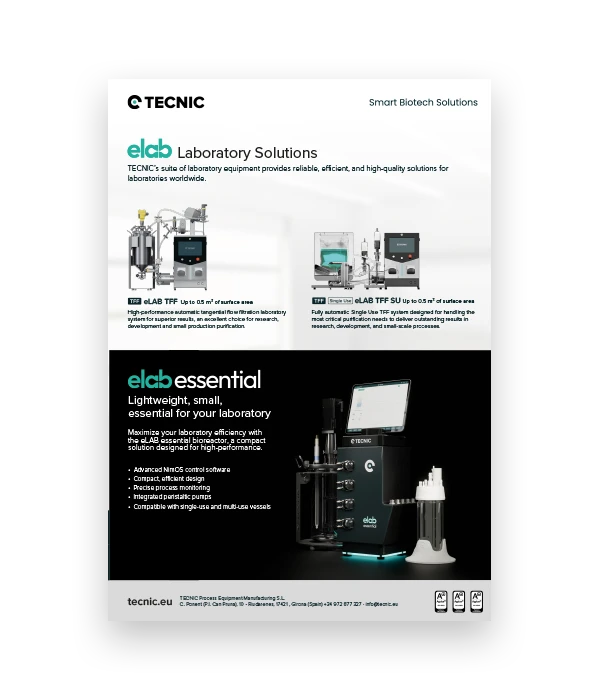
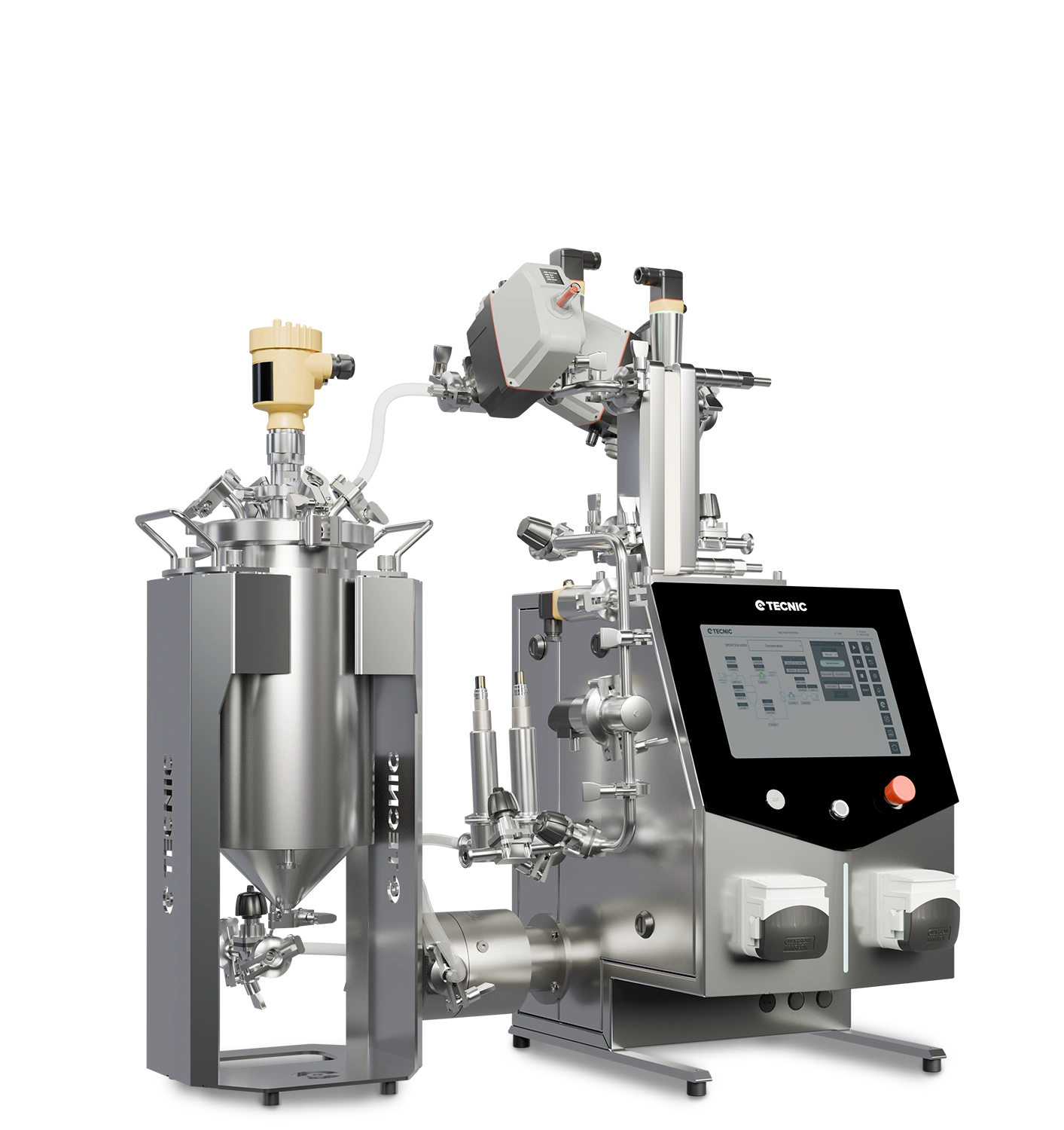
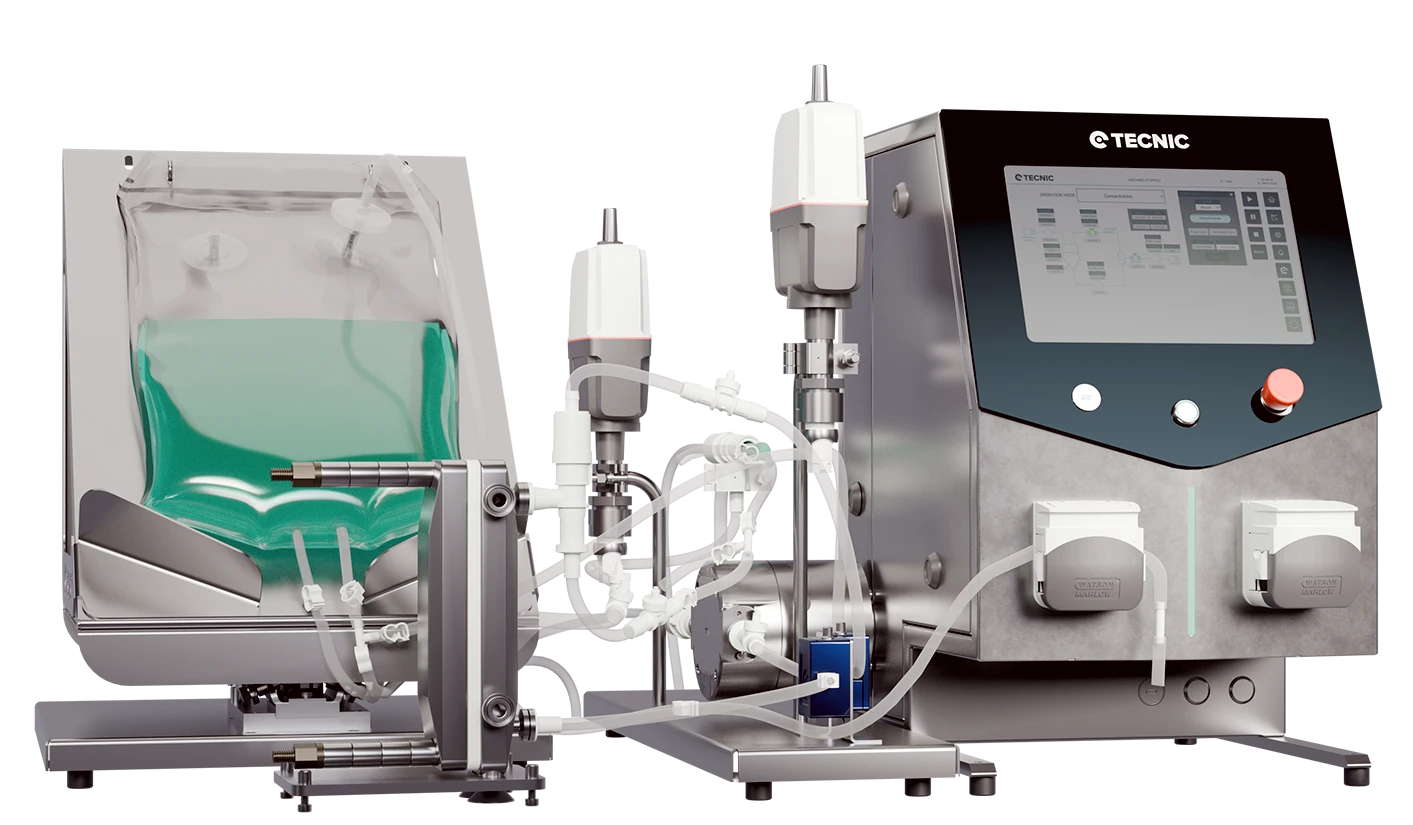
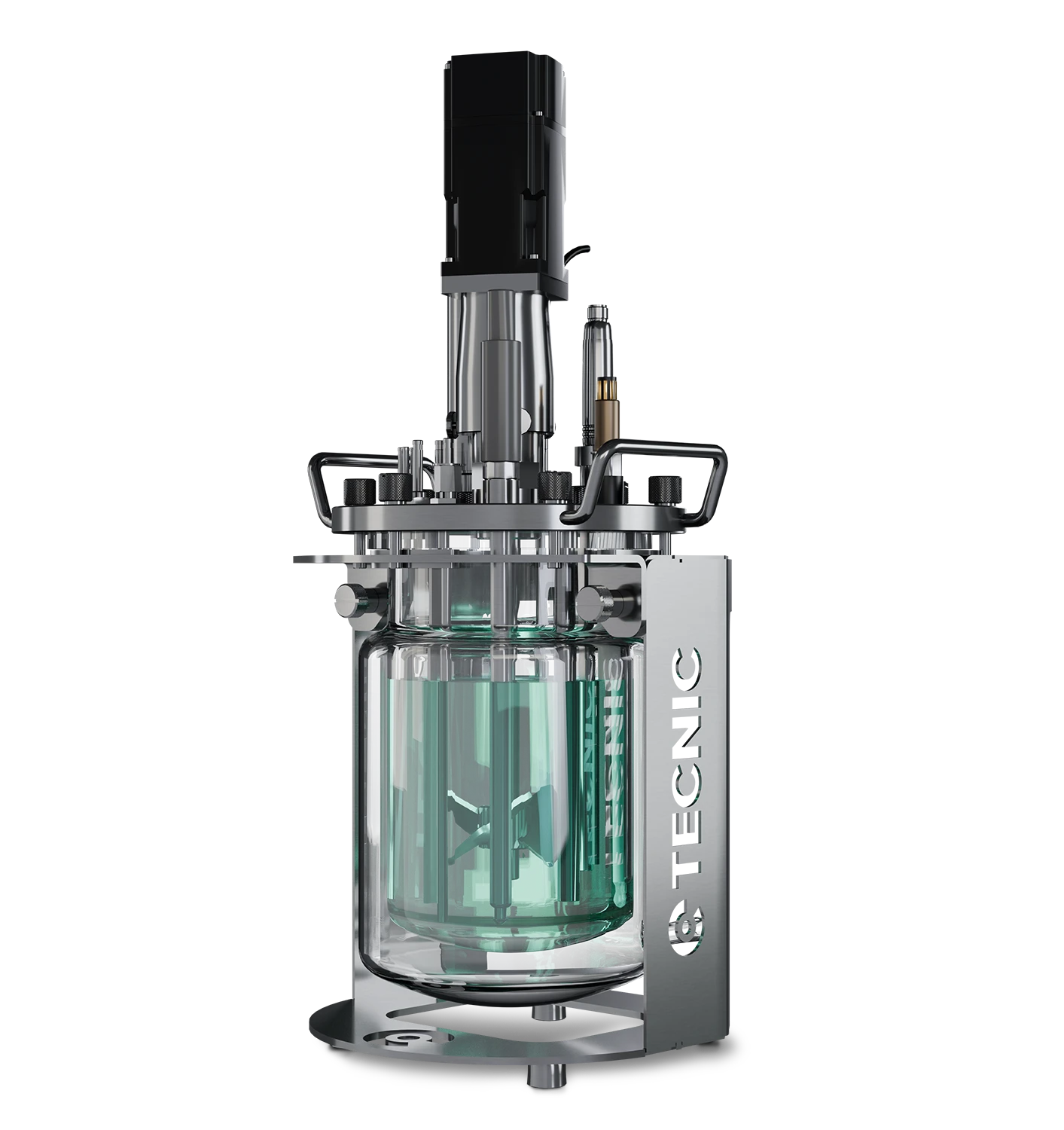
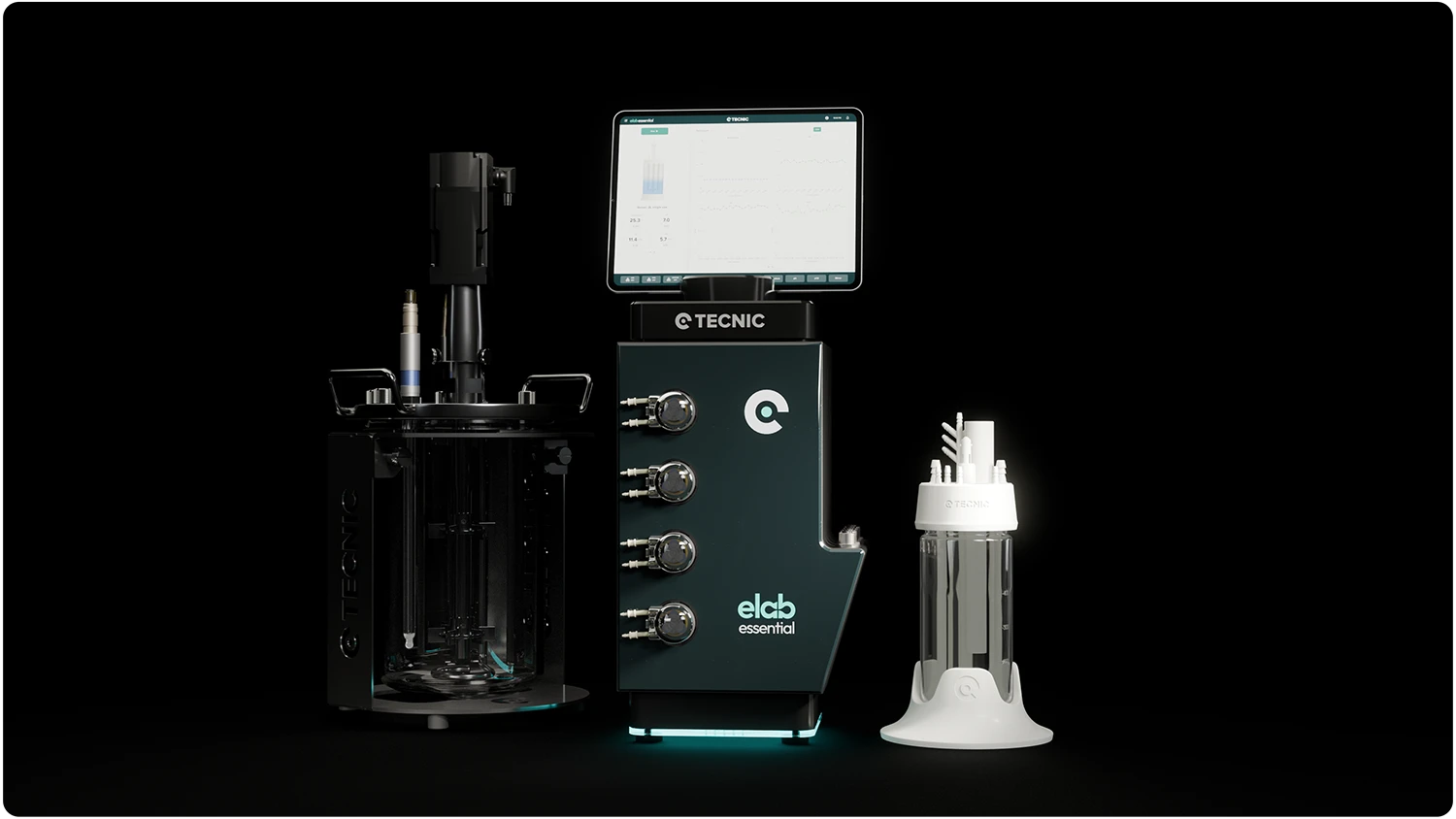
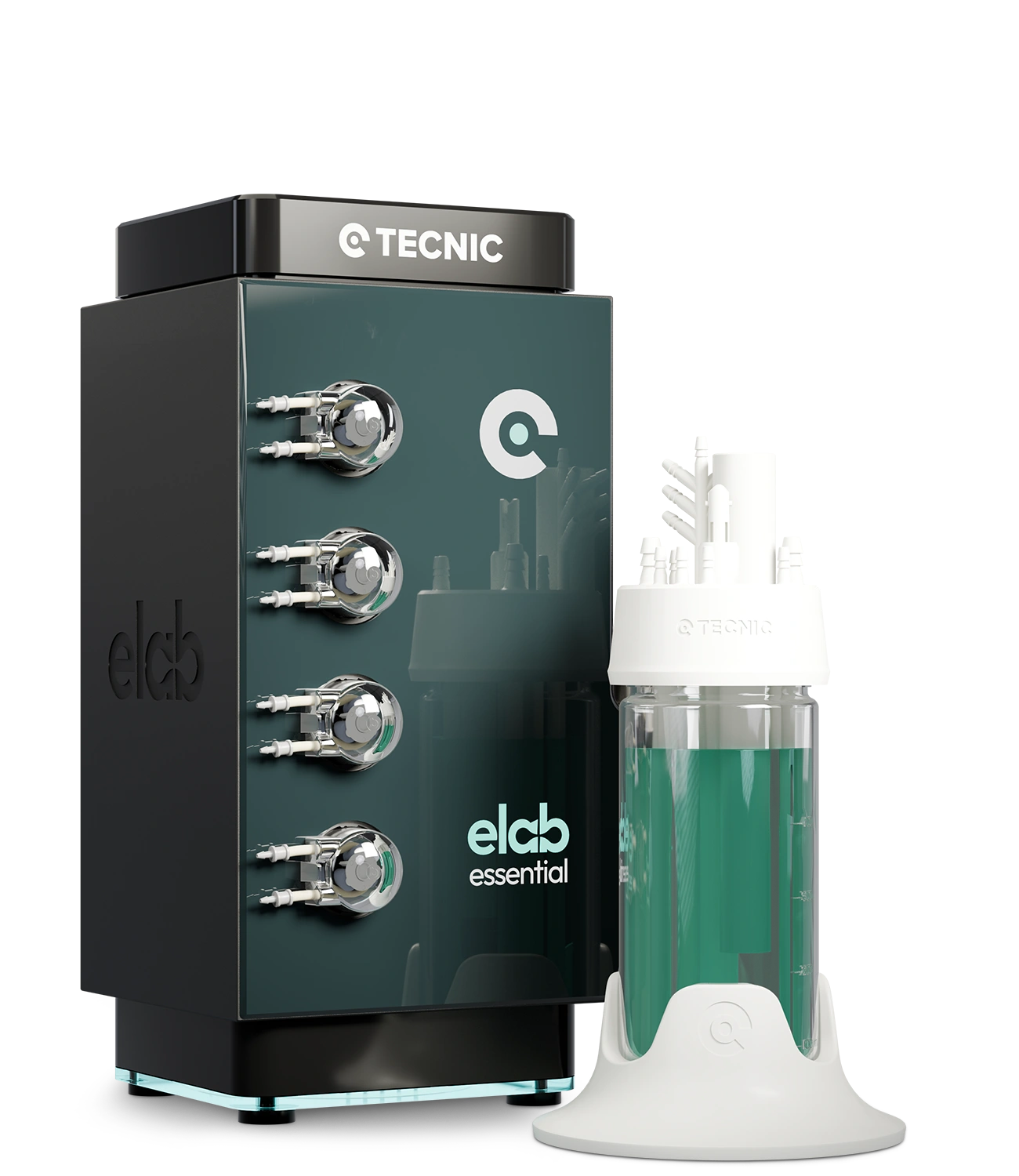
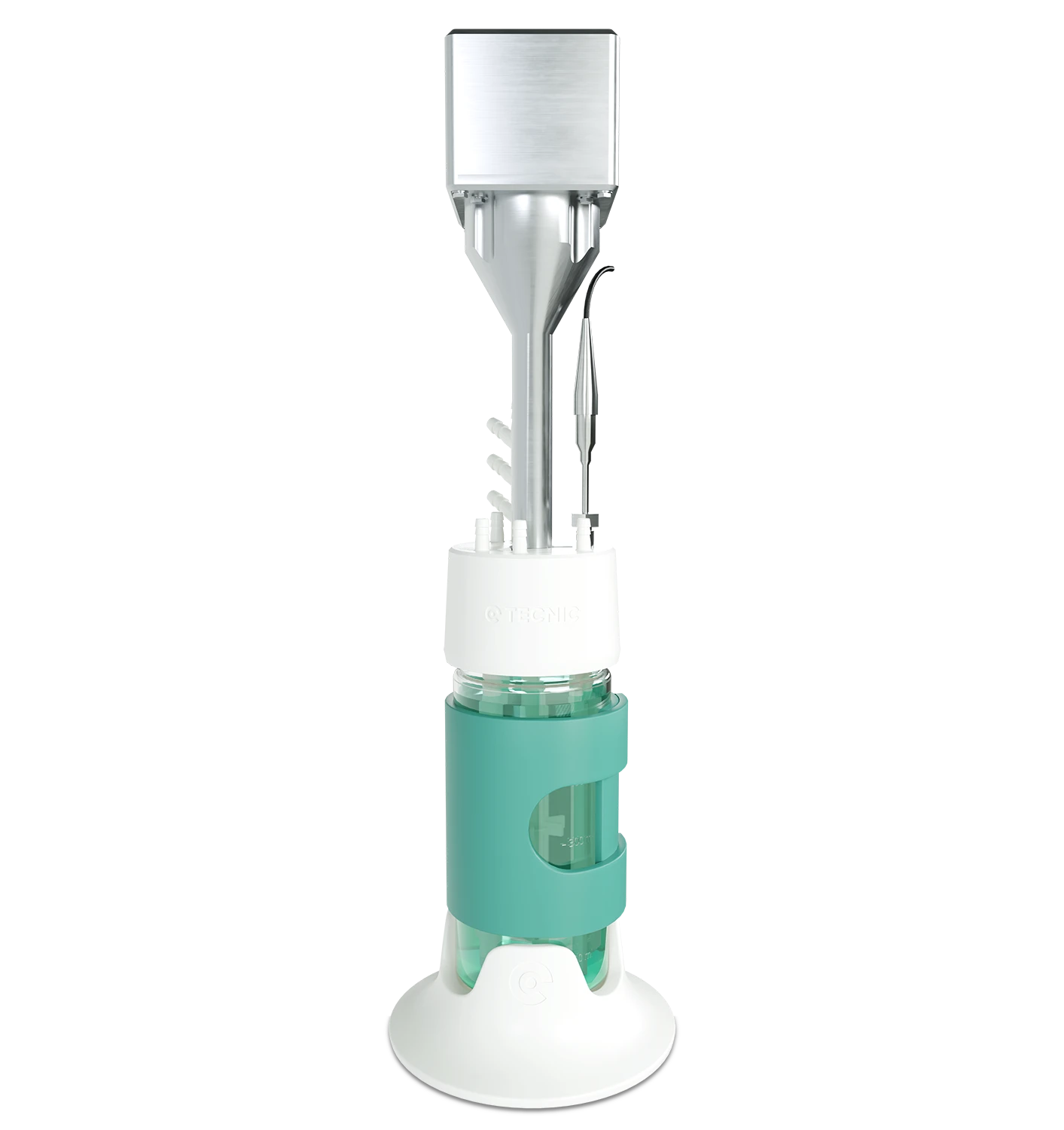
That is exactly why the eLAB Essential stands out so clearly for laboratories. It is compact, lightweight, easy to operate and flexible enough to work with both single-use and multi-use vessels across a practical volume range for research and early development.
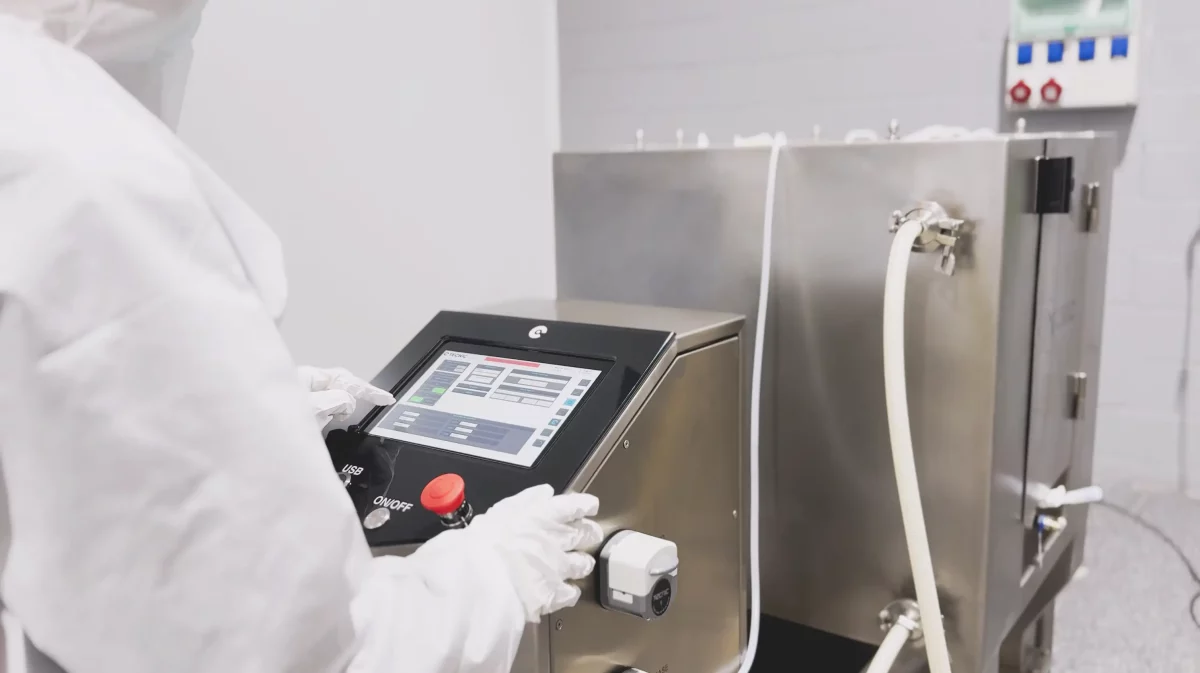
The eLAB Essential is designed to fit the reality of laboratory work: limited space, multiple process types, frequent setup changes and the need to control key parameters without turning the system into an obstacle.
Why the Essential Bioreactor fits laboratory work so well
Laboratory bioprocessing has a different rhythm from pilot or production work. Space is tighter, setups change more often and users may need a system that is quick to learn without losing control over critical parameters.
That is why compactness and ease of use are not minor details. They directly affect whether the equipment becomes part of the workflow or a source of friction.
In the lab, usability is not a luxury. It is part of process performance.
Five core reasons the Essential Bioreactor stands out
The article itself is structured around five main strengths, and they map well to the real needs of research and small-scale production environments.
Small footprint, low weight and dimensions that help protect valuable lab space.
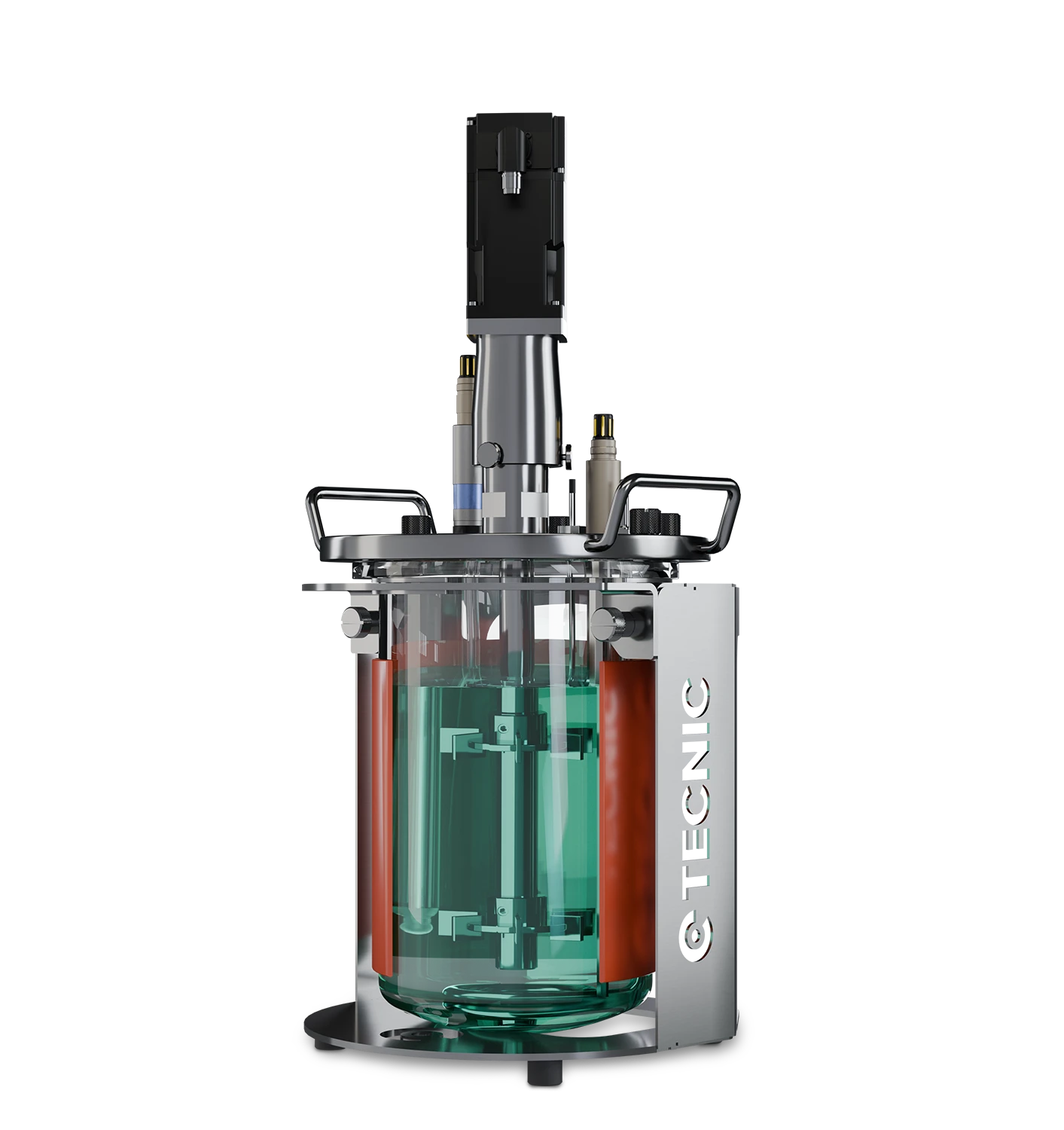
Works with both single-use and multi-use vessels, making project transitions easier.
Supports a practical small-scale range suited to development, scale-down work and early testing.
The system is built to simplify day-to-day management of key process conditions.
It aims to balance performance with a more accessible laboratory-scale investment and operation model.
What it actually controls in practice
A small bioreactor is only useful if it still gives enough process visibility and control. The eLAB Essential is designed to manage key parameters such as pH, pO₂, temperature and foam, helping laboratory teams run development work with greater consistency.
That matters because the point of a laboratory reactor is not only to grow cells or microorganisms. It is to do so under conditions that the team can understand, repeat and improve.
Single-use and multi-use flexibility matters more than it seems
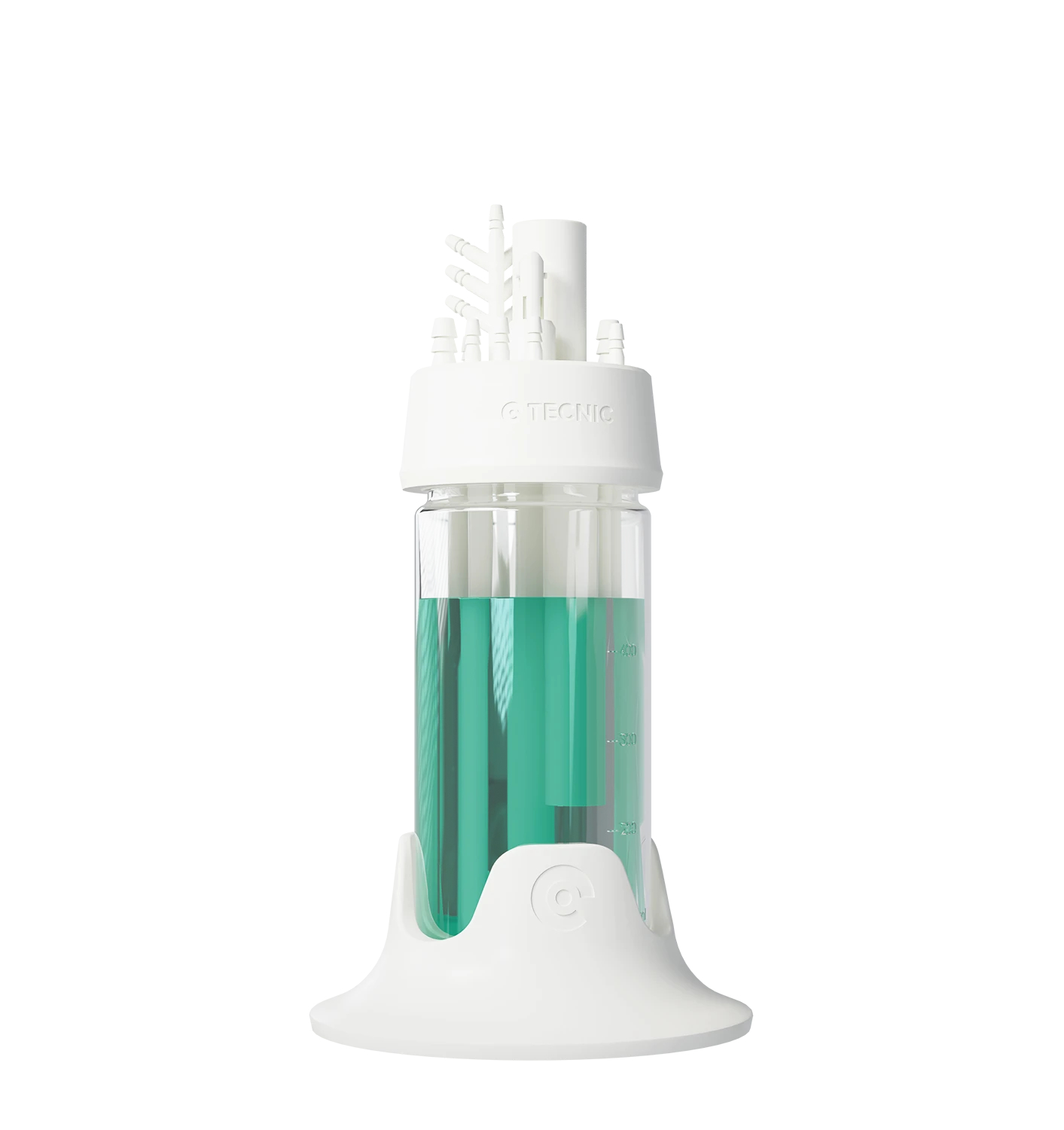
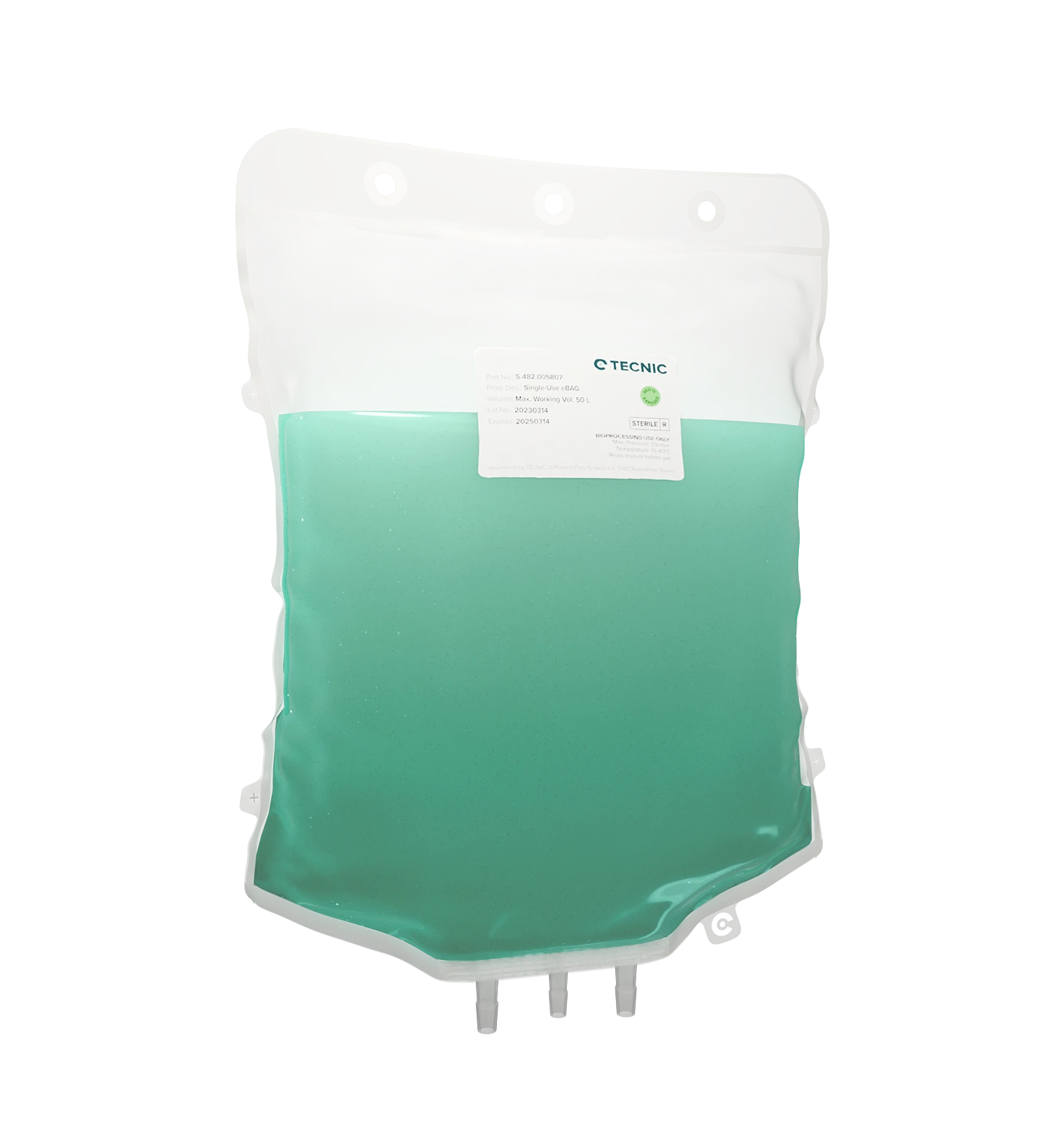
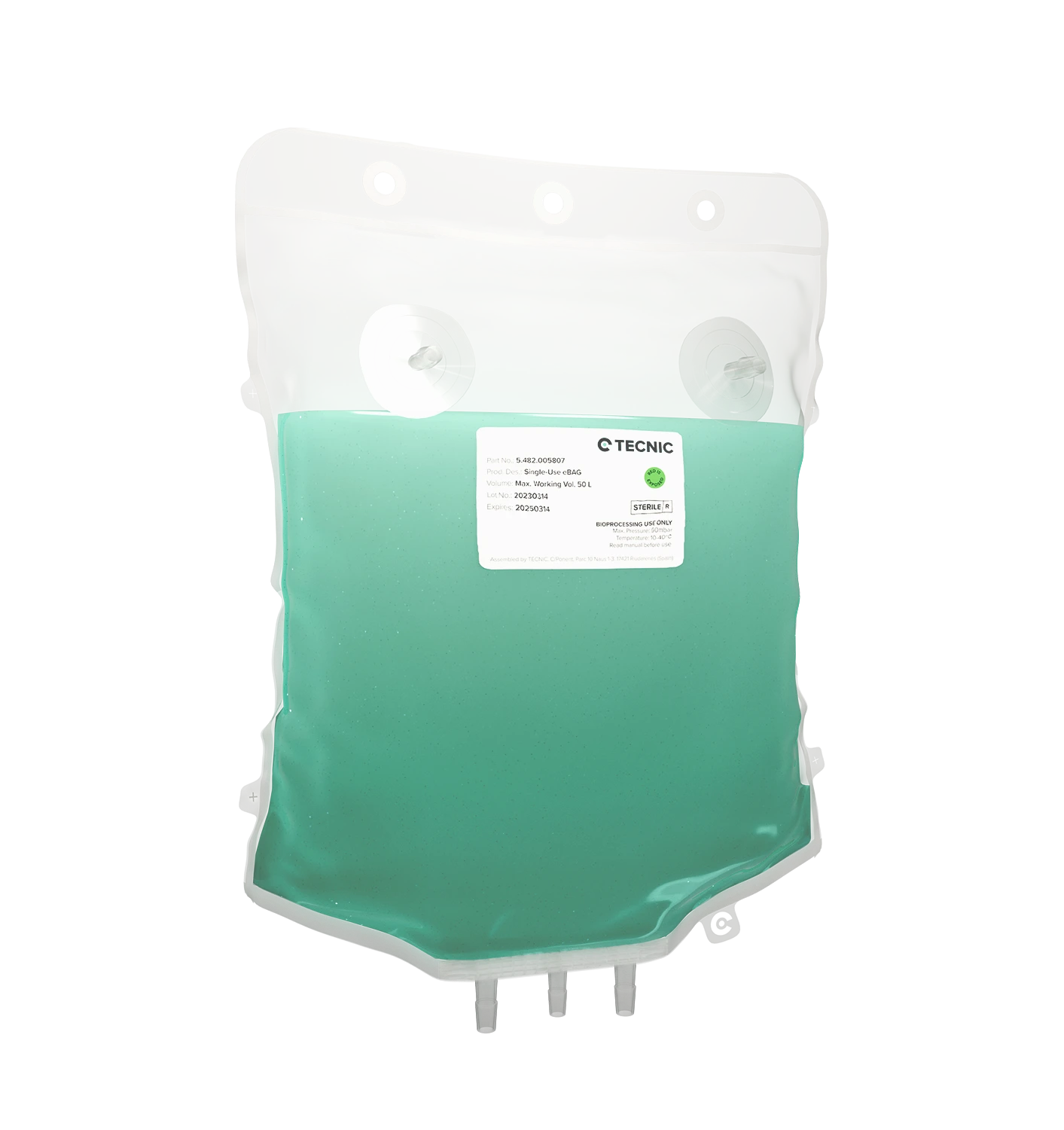
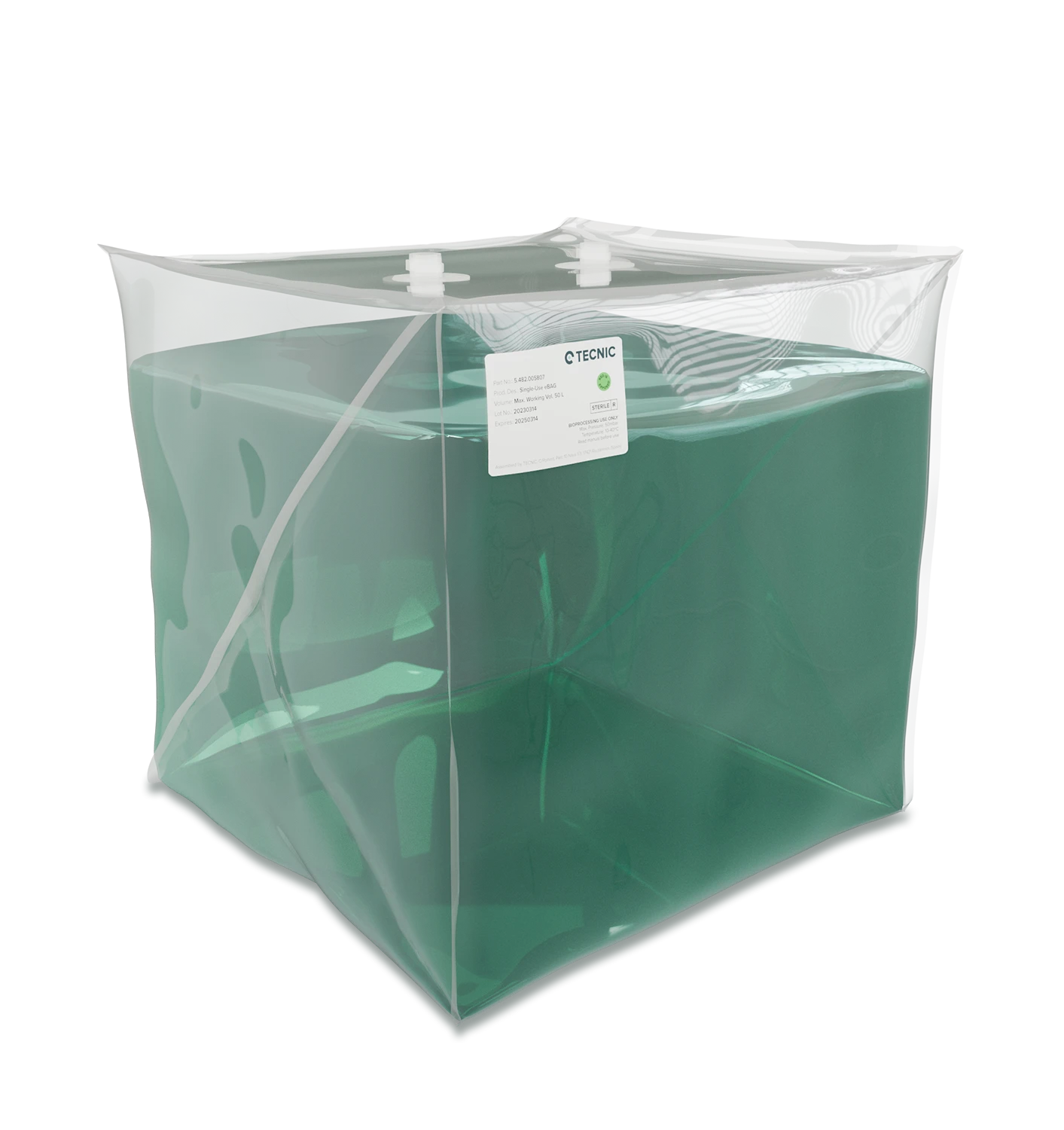
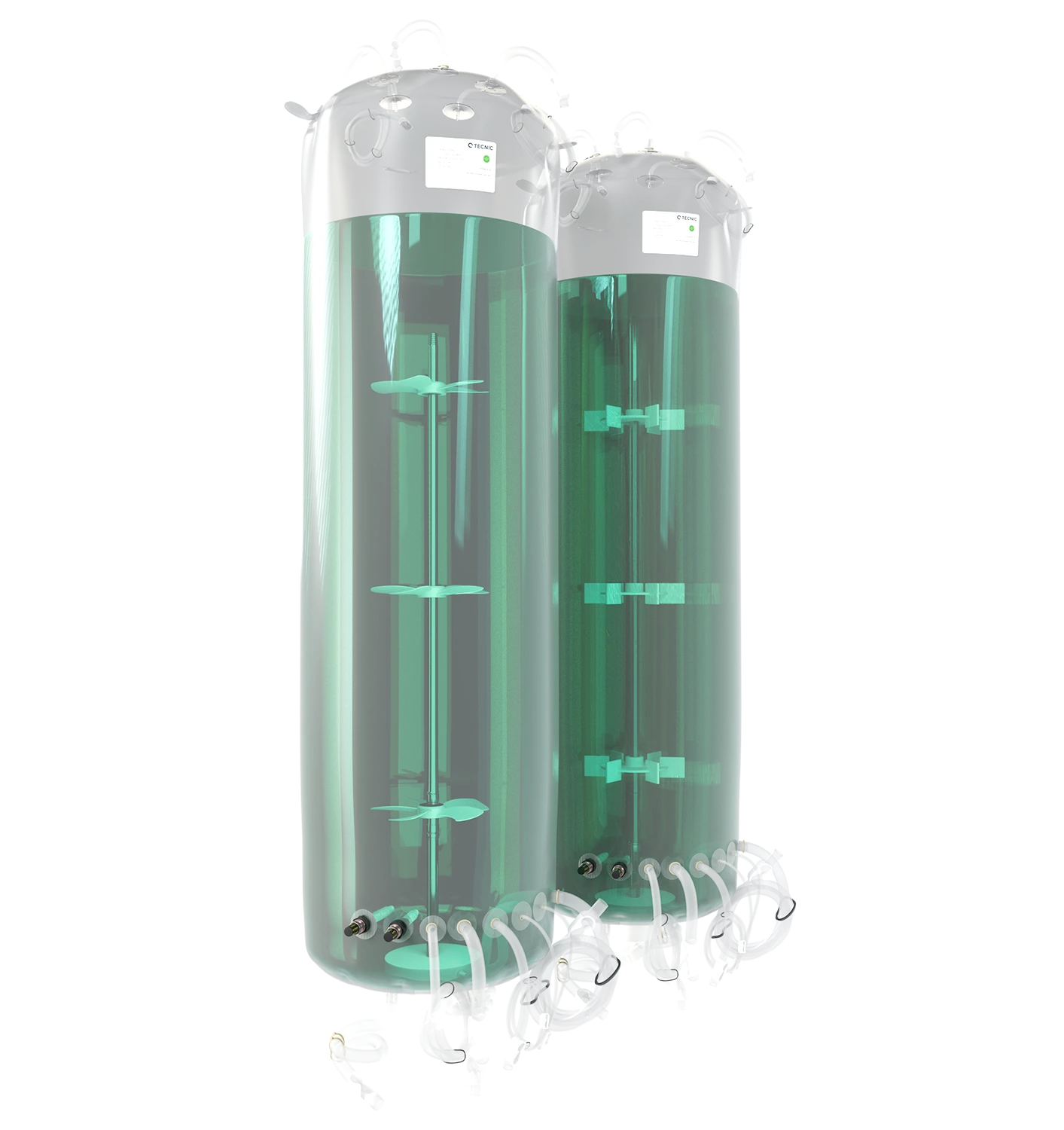
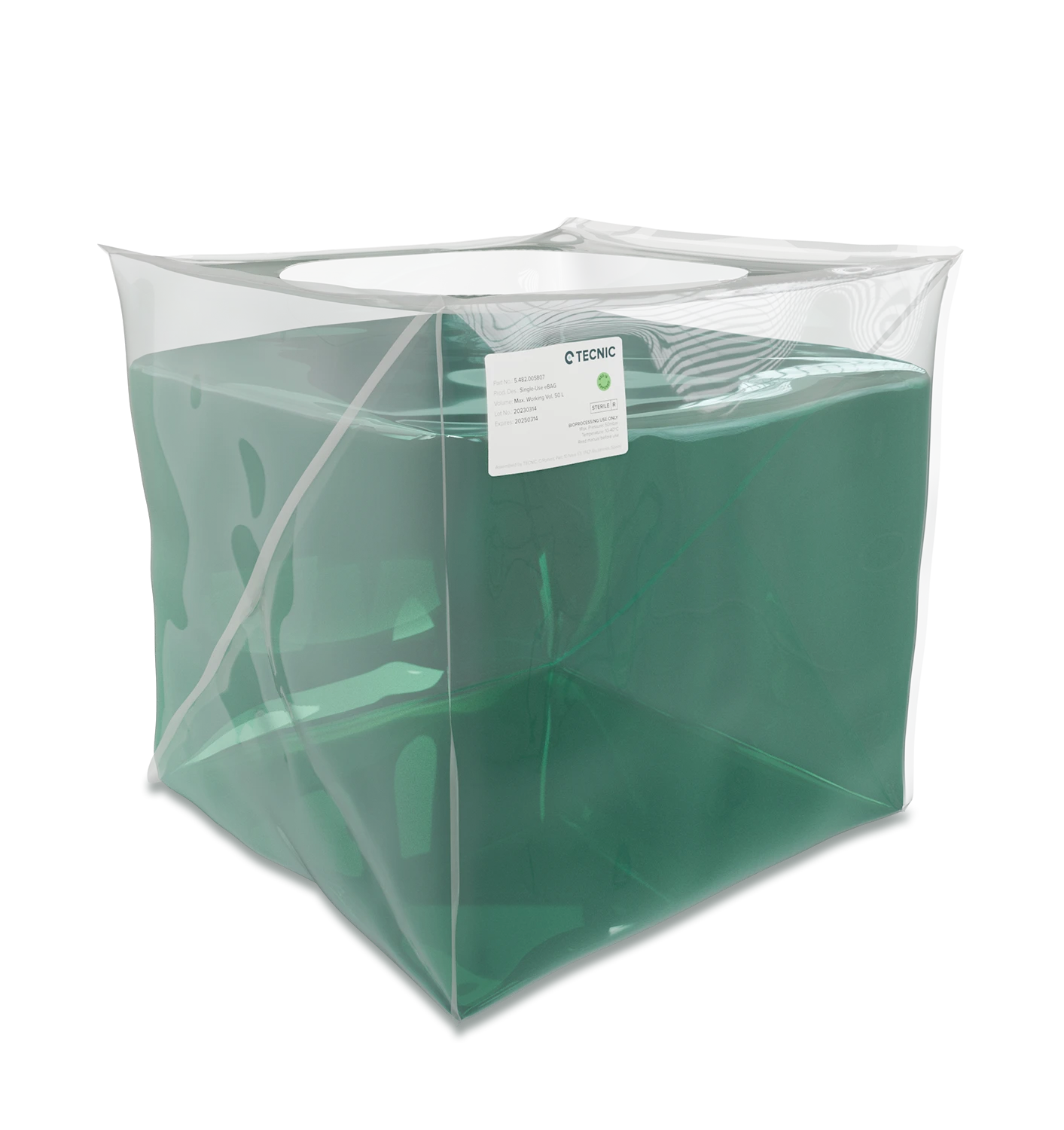
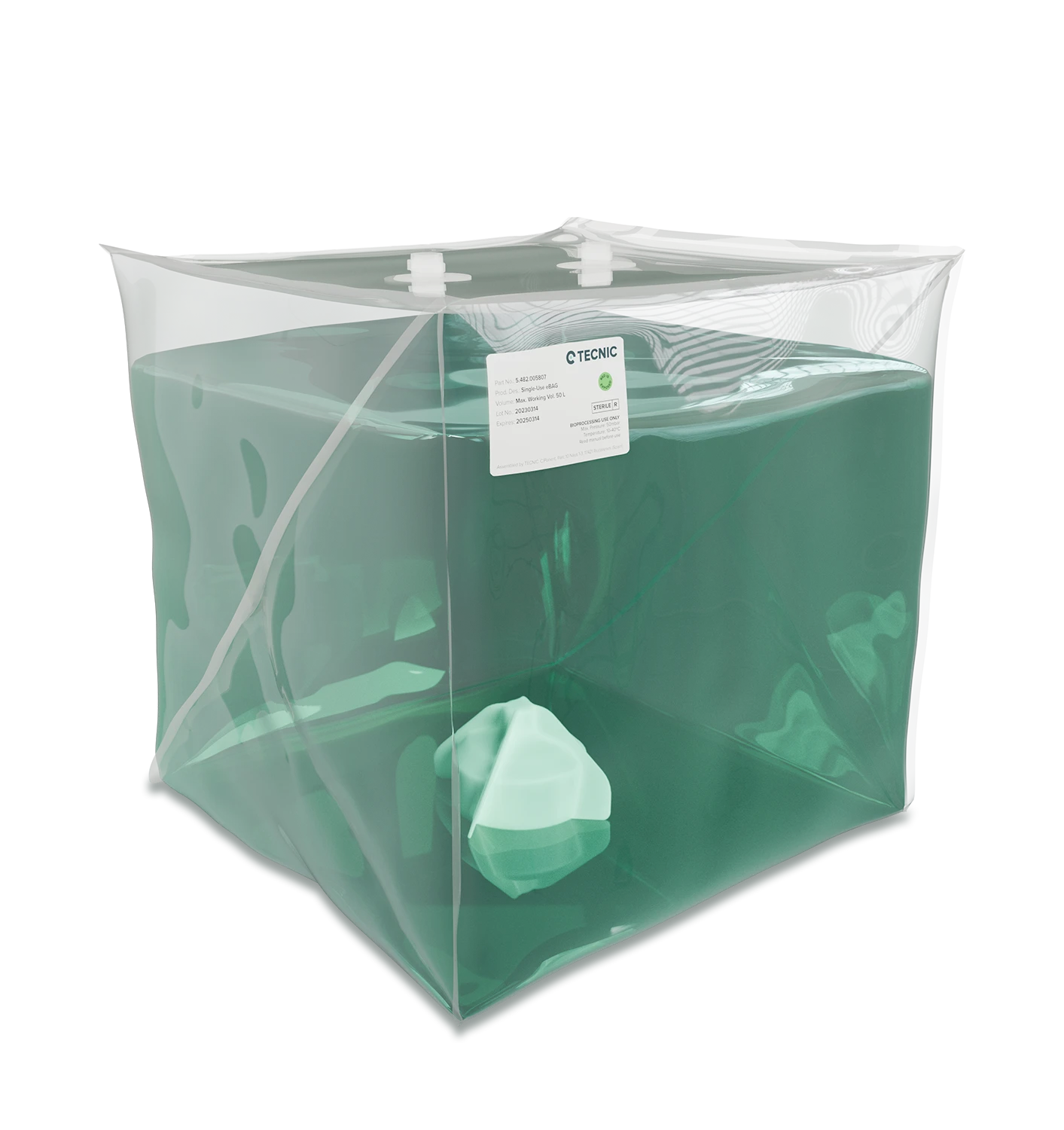
One of the strongest practical points is compatibility with both single-use and multi-use vessels. That matters because many labs do not work in one fixed mode all year. Some projects benefit from disposable sterile paths, while others fit better with reusable vessel logic.
Single-use vessel path
Better suited when quick changeover, sterility and reduced cleaning burden are priorities in the lab.
Multi-use vessel path
Better suited when repetitive use, longer campaigns and reusable laboratory hardware are more practical.
The useful part is not only having both options. It is being able to switch without changing the whole platform logic.
What labs should check before choosing a small-scale bioreactor
A good selection decision should be based on how the system fits the real laboratory workflow, not only on headline specs.
How TECNIC positions the eLAB Essential
TECNIC positions the eLAB Essential as a user-friendly lab bioreactor with the essential features needed for worry-free operation. The combination of compact design, parameter control, vessel flexibility and addition pump support makes it especially suitable for research, process development and small-scale production support.
eLAB Essential product page
The clearest next step for readers who want the current product configuration, feature set and vessel compatibility in one place.
Single-use vessel path
Since vessel flexibility is one of the strongest selling points, the single-use vessel route is a natural extension of the article.
Bioreactor overview
For readers already thinking beyond lab scale, the wider bioreactor range provides the broader context.
Contact TECNIC
Labs comparing setups often benefit from a direct technical conversation before deciding how much control and flexibility they really need.
This article works better when it feels like a real laboratory decision, not only a product announcement.
Frequently asked questions
Why is the eLAB Essential considered a good fit for labs?
Because it combines a compact footprint, practical control of key parameters and compatibility with both single-use and multi-use vessel paths.
What volume range does it support?
It is positioned for small-scale laboratory work, supporting early development, research and testing workflows.
Does it support both cell culture and microbial work?
Yes. It is suitable for laboratory applications in both cell culture and microbial fermentation contexts.
What are the main process parameters it manages?
The system is designed to manage key variables such as pH, pO₂, temperature and foam, together with addition support for day-to-day lab work.
Why does single-use and multi-use compatibility matter?
Because laboratories often need different vessel strategies depending on sterility, turnaround time and project type, and platform flexibility makes that easier to manage.
Looking for a compact bioreactor that still gives real process control?
Explore the eLAB Essential or speak with our team to review the best lab-scale setup for your process and vessel strategy.